


Air India airspace curbs are significantly affecting travel costs on global routes. These restrictions have raised concerns among travelers and airlines, prompting discussions on potential solutions.
Understanding Air India Airspace Curbs
The recent Air India airspace curbs have sparked considerable debate within the aviation industry. These restrictions, implemented to enhance safety and security, have significant implications for global flight operations.
As airlines navigate around the restricted zones, they face several challenges, including:
- Increased Flight Times: Detours around the affected airspace can lead to longer travel times.
- Higher Fuel Costs: Extended routes result in additional fuel consumption, raising operational expenses.
- Scheduling Complications: Changes to flight paths can disrupt schedules, impacting passenger connections and cargo deliveries.
Airlines operating international routes are particularly affected, as they must adjust their itineraries to accommodate the Air India airspace curbs. This not only affects profitability but also influences ticket prices for travelers. As the industry grapples with these changes, the long-term effects on global air travel remain to be seen. Stakeholders are urging for a review of these restrictions to balance safety needs with economic viability.
Impact on Global Travel Costs
The recent Air India airspace curbs have had a significant impact on global travel costs, affecting both airlines and passengers alike. As routes are adjusted to accommodate these restrictions, airlines face increased operational expenses, which are likely to be passed on to travelers.
Travelers can expect to see several consequences stemming from these airspace curbs:
- Higher ticket prices: With longer flight routes and added fuel costs, airlines may raise fares to maintain profitability.
- Increased travel time: Detours around restricted airspace can lead to longer flight durations, causing inconvenience for passengers.
- Changes in flight availability: Some airlines may reduce the frequency of flights on certain routes, limiting options for travelers.
- Impact on cargo costs: Freight services may also experience cost increases, affecting industries reliant on timely deliveries.
As these challenges unfold, the travel industry will need to adapt to the changing landscape influenced by the Air India airspace curbs.
What Travelers Need to Know
Travelers planning international flights may be significantly affected by the recent Air India airspace curbs. These restrictions have led to increased flight durations and higher ticket prices, impacting not only Air India but other airlines operating through the same routes.
Here are some essential points for travelers to consider:
- Increased Flight Times: Many routes are experiencing longer travel times due to detours necessitated by the airspace restrictions.
- Higher Fares: The added operational costs are being passed on to consumers, leading to higher airfare on several international routes.
- Flight Availability: Some airlines may reduce their service frequency to cope with the new restrictions, potentially limiting options for travelers.
- Travel Planning: Travelers should be proactive in checking flight schedules and fares, as changes may occur frequently.
Staying informed about the evolving situation can help mitigate the impact of the Air India airspace curbs on travel plans.
Airline Responses to Restrictions
As the air travel industry grapples with the implications of the Air India airspace curbs, various airlines are formulating their responses to navigate the evolving landscape. These restrictions have led to increased flight times and operational costs, prompting carriers to re-evaluate their route strategies.
Many international airlines are adjusting their flight paths to circumvent affected airspaces, which often results in longer journeys and higher fuel consumption. Consequently, these alterations may lead to an increase in ticket prices, impacting travelers globally.
In response to the heightened costs, some airlines are considering:
- Adjusting schedules: Airlines may alter departure times to optimize fuel efficiency.
- Implementing fuel surcharges: To offset rising operational costs, some airlines have introduced additional fees.
- Enhancing customer communication: Keeping passengers informed about potential delays and route changes is becoming a priority.
Ultimately, the ripple effects of the airspace curbs extend beyond operational adjustments, as airlines strive to maintain profitability while ensuring passenger satisfaction.
Future of Air Travel in India
The future of air travel in India is increasingly intertwined with the implications of Air India airspace curbs. As airlines adapt to these restrictions, several changes are anticipated that could reshape the aviation landscape.
Firstly, airlines may explore alternate routing options, which could lead to longer flight times. This is likely to increase fuel consumption and operational costs, ultimately passing these expenses onto travelers. As a result, ticket prices are expected to rise, affecting demand for international travel.
Additionally, the curbs could hinder the growth of new routes, particularly to emerging markets. Airlines may hesitate to invest in new services if airspace limitations persist, potentially stifling competition and innovation in the sector.
Furthermore, the impact on cargo services cannot be overlooked. Delays and increased costs could affect supply chains, leading to higher prices for goods globally.
In summary, the future of air travel in India, influenced by Air India airspace curbs, carries significant implications for both passengers and the broader economy, warranting close attention from stakeholders.
Comparing Costs Before and After
The recent Air India airspace curbs have significantly altered the financial landscape for airlines operating global routes. A comparison of operational costs before and after these restrictions reveals a stark rise in expenses. Airlines have reported increases in fuel consumption, as longer flight paths are necessitated by the curbs, leading to higher overall operational costs.
According to industry analysts, the average cost per flight has surged by approximately 15% since the implementation of these restrictions. This increase is attributed to:
- Longer flight durations: Airlines are forced to reroute, adding miles to their journeys.
- Increased fuel burn: Extended flights result in greater fuel consumption.
- Higher maintenance costs: More wear and tear on aircraft due to longer operations.
As airlines adjust to these new realities, the impact on ticket prices is likely to be felt by passengers, who may need to brace for fare hikes as carriers seek to offset these added expenses.
Expert Opinions on Airspace Policies
Experts have weighed in on the implications of the Air India airspace curbs, noting a significant shift in global aviation dynamics. According to aviation analyst Rajesh Kumar, these restrictions could lead to increased operational costs for airlines, ultimately impacting ticket prices for travelers. “When airspace is restricted, airlines are forced to take longer routes, which not only consumes more fuel but also requires additional crew hours,” he explained.
Additionally, Dr. Meera Singh, an economist specializing in transportation, emphasized the broader economic ramifications. “The Air India airspace curbs may inadvertently affect trade and tourism, as higher flight costs could deter international visitors,” she said.
Furthermore, industry veteran Vikram Sharma pointed out that these curbs could lead to a competitive disadvantage for Indian airlines. “If carriers cannot optimize their flight paths, they risk losing market share to foreign competitors that can operate more efficiently,” he noted.
As discussions continue, stakeholders urge policymakers to reconsider the long-term impacts of such airspace restrictions on global routes.
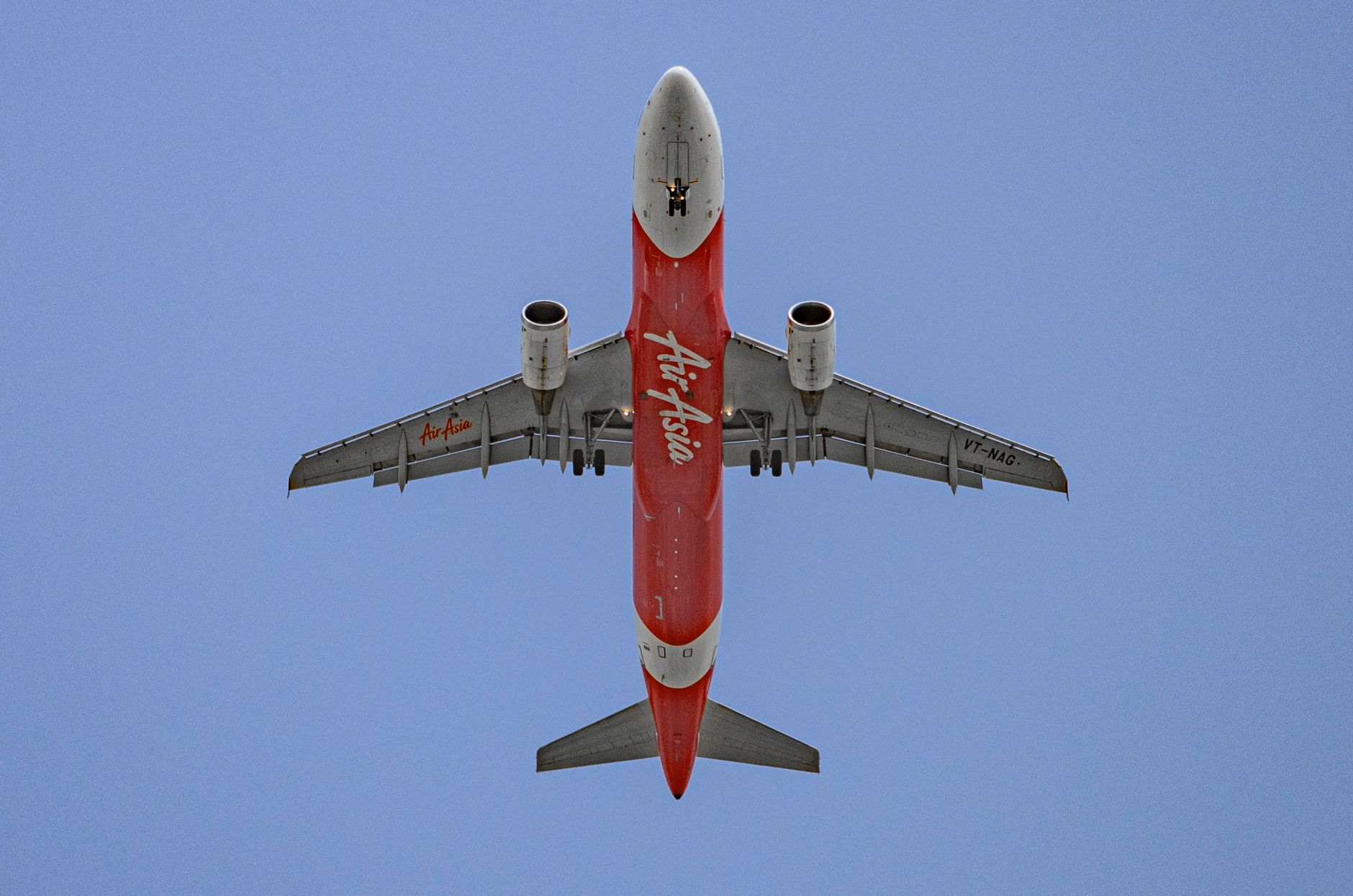
Photo by Shantum Singh on Pexels
Where this came from
Related reading
Foreign Offenders Visa: The Worst Reasons for Denial · Biman pre-Hajj flights: Safe and Proven Journey for Pilgrims · Egypt Saudi Arabia tourism: Is it the Best Proven Strategy?