

The aviation tourism budget for FY 2026-27 proposes significant investments aimed at revitalizing the sector. This funding is crucial for enhancing travel experiences and economic growth in Bangladesh.
Overview of the Proposed Aviation Tourism Budget
The government has unveiled a significant proposal for the upcoming fiscal year 2026–27, allocating BDT 1,884 crore towards the aviation and tourism sectors. This initiative is aimed at revitalizing these industries, which have faced considerable challenges in recent years, particularly due to the global pandemic.
The proposed aviation tourism budget focuses on several key areas:
- Infrastructure Development: Investments will be directed towards enhancing airport facilities and services, ensuring they meet international standards to attract more tourists.
- Marketing Initiatives: A portion of the budget will fund marketing campaigns aimed at promoting the country as a prime tourist destination, highlighting its unique attractions.
- Training and Employment: The proposal also includes funds for training programs to equip the workforce with the necessary skills for the evolving tourism landscape.
- Environmental Sustainability: Recognizing the importance of sustainable practices, the budget seeks to implement eco-friendly measures within the aviation and tourism sectors.
This comprehensive approach is intended not only to boost the economy but also to create a more resilient and sustainable tourism industry. The question remains, however, whether the aviation tourism budget will yield a substantial return on investment in the long run.
Impact of Government Funding on Tourism
The proposed aviation tourism budget of BDT 1,884 crore for the fiscal year 2026–27 has sparked significant discussion regarding its potential impact on the tourism sector. Government funding plays a crucial role in shaping the landscape of tourism, and its effectiveness is often measured through economic growth, job creation, and infrastructure development.
One of the primary benefits of increased investment in aviation is the enhancement of connectivity. Improved air travel options can lead to an influx of international tourists, thereby boosting local economies. A well-funded aviation sector can also attract investments in related industries, such as hotels, restaurants, and entertainment, creating a ripple effect throughout the economy.
Moreover, government funding can facilitate the promotion of tourism in less-explored regions. By supporting initiatives that highlight unique cultural and natural attractions, the aviation tourism budget can encourage sustainable tourism practices. This not only preserves local heritage but also generates income for communities.
However, it is essential to consider the return on investment. Stakeholders must evaluate whether the proposed aviation tourism budget will yield tangible benefits. The success of such initiatives often depends on effective planning and collaboration between government bodies and private sector stakeholders.
In conclusion, while the aviation tourism budget presents promising opportunities, careful assessment and strategic implementation will be key to maximizing its potential impact on the tourism industry.
Key Benefits of the Aviation Tourism Budget
The proposed aviation tourism budget offers several key benefits that can significantly impact the industry and local economies. By allocating funds to enhance aviation infrastructure and promote tourism, the government aims to create a more robust travel ecosystem.
- Job Creation: Investment in aviation and tourism is likely to boost job opportunities. This budget can lead to the hiring of skilled workers in various sectors, including airport operations, hospitality, and travel services.
- Infrastructure Development: Enhanced funding will enable the development and modernization of airports, making them more efficient and tourist-friendly. Improved facilities can attract more international flights and tourists.
- Boosting Local Economies: Increased tourism brought on by a well-planned aviation tourism budget can lead to higher spending in local businesses, restaurants, and attractions, benefiting the overall economy.
- Enhanced Connectivity: The budget could facilitate partnerships with airlines to improve routes and services, making travel more accessible and appealing to potential tourists.
- Promoting Sustainable Tourism: With a focus on sustainability, the budget may include initiatives to encourage eco-friendly travel, thus attracting environmentally conscious travelers.
Overall, the aviation tourism budget is poised to bring substantial benefits, making it a worthwhile investment for the future of the sector.
Future Prospects for Bangladesh’s Travel Industry
The future prospects for Bangladesh’s travel industry appear promising, particularly in light of the proposed aviation tourism budget. With the government allocating BDT 1,884 crore for aviation and tourism in the FY 2026–27 budget, stakeholders are optimistic about the potential growth of the sector.
Experts believe that this investment will not only enhance infrastructure but also improve connectivity, making it easier for international tourists to visit Bangladesh. The aviation tourism budget is expected to facilitate the development of new airports and the expansion of existing ones, which could lead to an increase in air traffic and tourism-related activities.
Additionally, there is an emphasis on promoting eco-tourism and cultural tourism, which are essential for attracting a diverse range of visitors. The government’s focus on sustainable tourism practices could position Bangladesh as a leading destination in South Asia.
Moreover, collaborations between the government and private sector players are crucial for maximizing the benefits of this budget. By fostering partnerships, the travel industry can leverage resources and expertise to create innovative travel packages and marketing strategies.
In conclusion, if effectively implemented, the aviation tourism budget has the potential to significantly boost Bangladesh’s travel industry, creating jobs and stimulating economic growth while enhancing the country’s global tourism appeal.
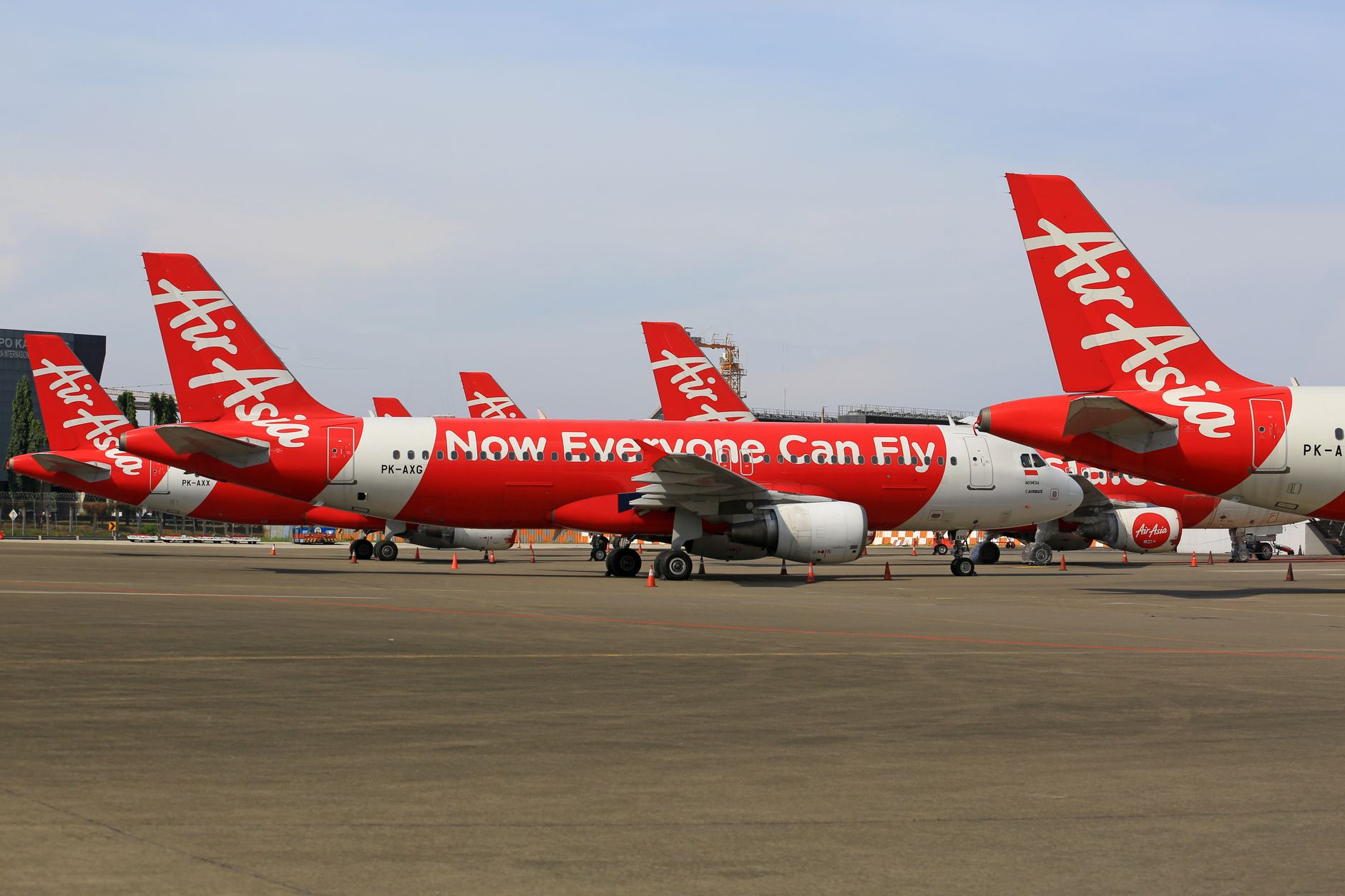
Photo by Jeffry Surianto on Pexels