




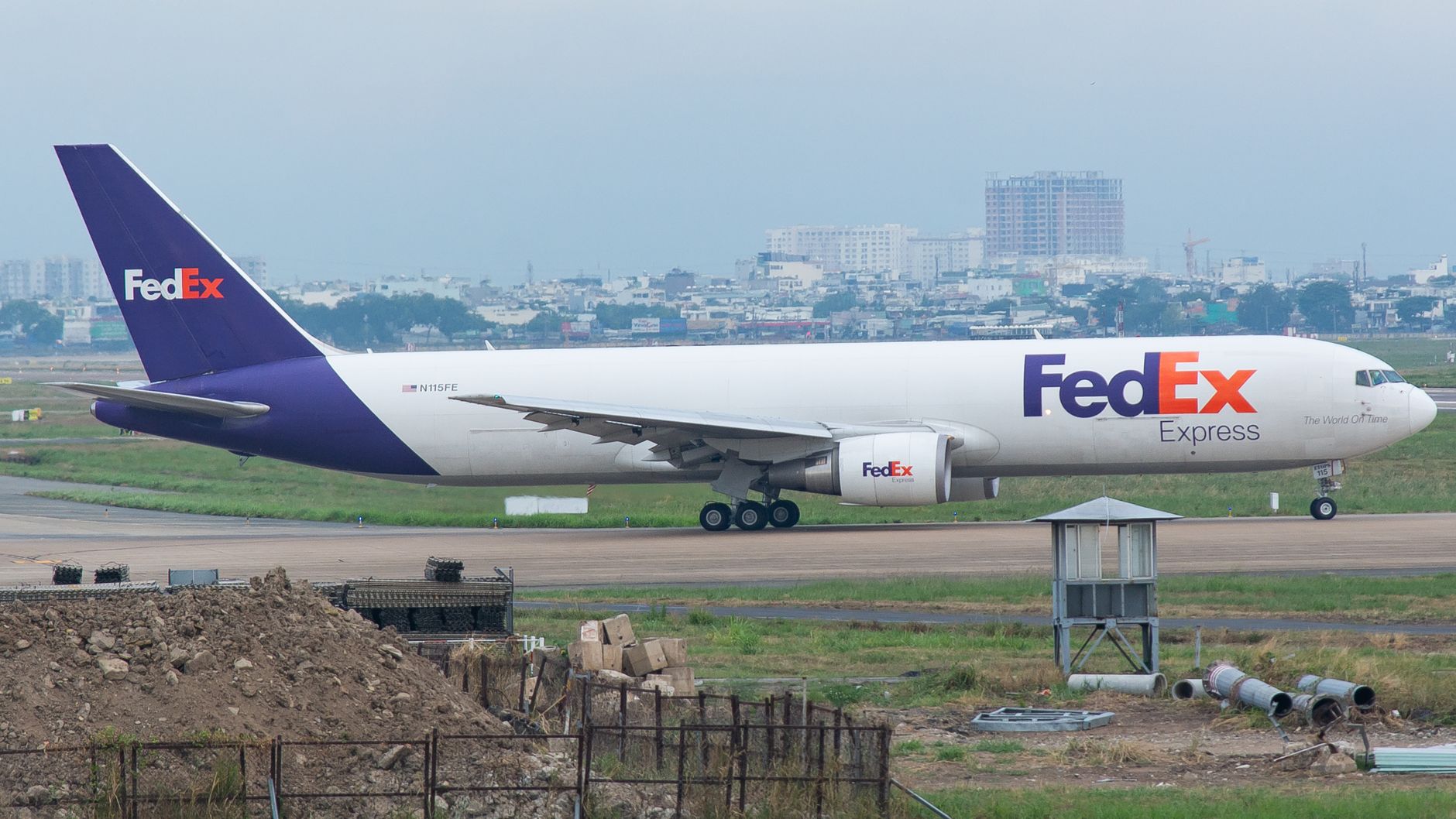
FedEx cargo terminal is now operational in Guangzhou, marking a significant investment in logistics infrastructure. This new facility is set to streamline cargo operations and improve service delivery.
Overview of FedEx’s New Cargo Terminal
FedEx has officially opened its new cargo terminal in Guangzhou, marking a significant milestone in its global logistics network. This state-of-the-art facility spans an impressive 45,000 square meters, enhancing the company’s operational capabilities in one of China’s key trade hubs. The new FedEx cargo terminal is strategically located to facilitate smoother transportation of goods, enabling quicker processing and delivery.
Key features of the new terminal include:
- Advanced Technology: Equipped with the latest automation systems, the terminal ensures efficient sorting and handling of packages.
- Increased Capacity: The facility is designed to handle a higher volume of shipments, which is essential for supporting growing demand in the region.
- Sustainability Initiatives: FedEx has incorporated eco-friendly practices in the terminal’s operations, reflecting its commitment to reducing carbon footprints.
- Enhanced Security: The terminal features robust security measures to protect shipments and ensure the safety of cargo.
This new hub not only reinforces FedEx’s presence in Guangzhou but also plays a crucial role in connecting businesses to global markets. With the opening of the FedEx cargo terminal, the company aims to improve logistics efficiency and support the burgeoning e-commerce sector in China.
Impact on Local Businesses
The opening of the new FedEx cargo terminal in Guangzhou is set to significantly impact local businesses. As the largest logistics hub in the region, it will enhance connectivity and streamline supply chains for various industries.
Local entrepreneurs and small-to-medium enterprises (SMEs) stand to benefit the most from the terminal’s operations. With improved access to global markets, businesses can expect:
- Faster delivery times: The terminal’s advanced technology enables quicker processing of shipments, allowing local businesses to meet customer demands more effectively.
- Cost savings: Enhanced logistics services can lead to reduced shipping costs, helping businesses allocate resources more efficiently.
- Increased competitiveness: With better logistics capabilities, local businesses can compete on a larger scale, attracting international clients and partners.
Moreover, the FedEx cargo terminal is likely to create job opportunities in the region, from warehouse management to transportation services. This influx of employment can stimulate the local economy and encourage entrepreneurship.
As FedEx continues to expand its operations, collaboration with local businesses will be essential. This partnership may foster innovation and adaptation, helping the community thrive in a rapidly changing economic landscape.
Technological Advancements in the Terminal
The newly inaugurated FedEx cargo terminal in Guangzhou is making waves not just for its size, but for its impressive technological advancements. This state-of-the-art facility is designed to streamline the logistics process, ensuring faster and more efficient service for customers around the globe.
One of the standout features of the terminal is its advanced sorting system. Using cutting-edge automation technology, the terminal can process thousands of packages per hour, significantly reducing transit times. This system minimizes human error and enhances overall operational efficiency. Additionally, the terminal is equipped with real-time tracking systems that enable customers to monitor their shipments at every stage of the journey.
Environmental sustainability is also a priority. The FedEx cargo terminal incorporates energy-efficient systems and utilizes renewable energy sources, significantly lowering its carbon footprint. The facility features advanced temperature control systems, ensuring that sensitive cargo is maintained in optimal conditions.
Moreover, the terminal employs artificial intelligence for predictive analytics, allowing it to anticipate demand and adjust operations accordingly. This capability not only improves service delivery but also optimizes resource allocation.
In summary, the technological innovations in the FedEx cargo terminal are setting new standards in the logistics industry, reflecting the company’s commitment to efficiency, sustainability, and customer satisfaction.
FedEx’s Expansion Strategy in Asia
FedEx’s expansion strategy in Asia is centered around enhancing its logistics capabilities and bolstering its presence in key markets. The newly opened FedEx cargo terminal in Guangzhou is a pivotal part of this strategy, enabling the company to better serve its growing customer base in the region.
With the rise of e-commerce and increasing demand for efficient shipping solutions, FedEx has recognized the necessity of expanding its infrastructure. The Guangzhou terminal, spanning 45,000 square meters, is designed to streamline operations and improve delivery speeds. This facility not only facilitates faster processing of packages but also supports a wider range of services, catering to both local and international clients.
FedEx’s investment in Asia is also a response to the evolving market dynamics. The company aims to strengthen its supply chain capabilities by connecting various regions more effectively. As a result, businesses in Asia can benefit from enhanced logistics solutions that meet their diverse needs.
Moreover, the operational efficiencies realized through the new terminal are expected to yield significant advantages for FedEx, allowing the company to maintain its competitive edge in the logistics sector. The expansion in Guangzhou symbolizes a commitment to innovation, customer service, and growth, reinforcing FedEx’s position as a leader in global logistics.
Environmental Considerations for New Facilities
As FedEx continues to expand its global network, the environmental footprint of new facilities, such as the FedEx cargo terminal in Guangzhou, is a primary consideration. The company has committed to sustainable practices that reduce emissions and enhance energy efficiency.
In the construction of the new cargo terminal, FedEx implemented several eco-friendly initiatives:
- Energy-efficient design: The terminal features modern architecture that maximizes natural light, reducing the need for artificial lighting during the day.
- Renewable energy sources: Solar panels have been installed on the roof, contributing to the terminal’s energy supply and decreasing reliance on fossil fuels.
- Water conservation systems: Rainwater harvesting systems have been integrated to minimize water usage and support landscaping needs.
- Green transportation options: The facility promotes the use of electric vehicles for cargo transport, further decreasing its carbon footprint.
These initiatives align with FedEx’s broader commitment to sustainability, aiming for a carbon-neutral global network by 2040. The new FedEx cargo terminal not only enhances operational efficiency but also exemplifies the company’s dedication to environmental stewardship in the logistics industry.
Comparison with Other Cargo Hubs
The recent opening of the FedEx cargo terminal in Guangzhou has sparked comparisons with other major cargo hubs around the globe. With its state-of-the-art facilities, the terminal is designed not only to enhance efficiency but also to set a new standard in the logistics industry.
When evaluated alongside other prominent cargo terminals, several factors shine a light on FedEx’s competitive edge:
- Location: The Guangzhou hub is strategically situated to serve not just the local market but also the larger Asia-Pacific region, making it a pivotal player in global trade.
- Capacity: The 45,000-square-meter facility boasts an impressive handling capacity, surpassing many existing terminals. This allows for faster processing times and improved service delivery.
- Technology: Advanced automation and tracking systems at the FedEx cargo terminal enhance operational efficiency, reducing the likelihood of delays and errors.
- Sustainability: The terminal incorporates eco-friendly practices that align with global trends towards greener logistics solutions, setting it apart from older facilities that may not prioritize sustainability.
As logistics demands continue to evolve, the FedEx cargo terminal in Guangzhou not only meets current needs but positions itself as a leader among international cargo hubs.
Future of Air Freight in China
The future of air freight in China is poised for significant transformation, especially with the establishment of the new FedEx cargo terminal in Guangzhou. This facility not only enhances FedEx’s operational capabilities but also sets a benchmark for industry standards in the region.
As China’s economy continues to grow, the demand for efficient and reliable air freight services is expected to increase. The FedEx cargo terminal is strategically positioned to address this need, offering advanced logistics solutions that cater to various industries. With a focus on speed and efficiency, the terminal is designed to streamline the shipping process, thereby reducing transit times for businesses relying on air transport.
Moreover, the integration of innovative technologies within the terminal will play a crucial role in shaping the future of air freight. These advancements, such as automated sorting systems and real-time tracking, will enhance operational efficiency and improve customer experience.
As competition stiffens among global cargo hubs, FedEx’s investment in Guangzhou signifies a commitment to maintaining its leadership position. The terminal not only reinforces FedEx’s expansion strategy in Asia but also positions it as a vital player in the evolving air freight landscape. In this dynamic environment, the ability to adapt and innovate will determine success, making FedEx’s new cargo terminal a pivotal element of China’s air freight future.
Customer Benefits from the New Terminal
The newly opened FedEx cargo terminal in Guangzhou promises a multitude of benefits for customers in the region and beyond. This state-of-the-art facility is designed to enhance efficiency and reliability in shipping operations, catering to the growing demand for expedited logistics solutions.
One of the most significant advantages is the terminal’s strategic location, which allows for faster delivery times both domestically and internationally. Customers can expect:
- Improved Transit Times: With advanced sorting technology, packages will be processed quicker, reducing the overall transit time.
- Increased Capacity: The 45,000-square-meter terminal can handle a larger volume of shipments, enabling businesses to scale their operations effectively.
- Enhanced Tracking: Customers will benefit from real-time tracking capabilities, providing greater visibility and control over their shipments.
- Cost Efficiency: Streamlined operations are expected to translate into competitive pricing for customers, making it more affordable to ship goods globally.
Additionally, the FedEx cargo terminal focuses on customer service, ensuring that clients receive personalized support throughout the shipping process. As logistics continue to evolve, this new hub is set to play a pivotal role in meeting the needs of businesses in a rapidly changing marketplace.
Photo by Go Journal on Pexels
Sources
Related reading
Visa interview appointments: Quick Guide to New Fees · Air India New York flights: Best Proven Travel Option · Bishkek Travel Guide: Easy Tips for Pakistanis to Explore