



Green Lake Trek has reopened after a four-year hiatus, attracting adventure enthusiasts once again. Recently, seven Russian trekkers successfully completed this iconic expedition in Sikkim.
Overview of Green Lake Trek
The Green Lake Trek is one of Sikkim’s most sought-after adventures, known for its breathtaking landscapes and serene environment. After a four-year hiatus, the trek has reopened, attracting both local and international enthusiasts eager to explore its stunning beauty.
Situated at an altitude of 5,200 meters, the Green Lake Trek offers trekkers a unique opportunity to experience the majestic views of the Kanchenjunga mountain range. This trek is not just about the destination; it is a journey through lush forests, quaint villages, and glacial rivers that captivate the heart.
For those considering the Green Lake Trek, here are some key highlights:
- Scenic Beauty: The trek takes you through picturesque landscapes filled with vibrant rhododendron blooms and diverse wildlife.
- Local Culture: Trekkers have the chance to interact with local communities, learning about their traditions and way of life.
- Adventure Level: Suitable for both seasoned trekkers and beginners, the trek presents varying challenges that can suit different skill levels.
- Environmental Importance: The area is part of a protected region, emphasizing the need for sustainable trekking practices.
The reopening of the Green Lake Trek marks a significant moment for adventure tourism in Sikkim, paving the way for more trekkers to experience its unparalleled charm.
Highlights of the Trekking Experience
The Green Lake Trek is renowned for its breathtaking scenery and unique experiences that attract trekking enthusiasts from around the globe. Here are some highlights of the trekking experience that make it a must-try adventure for nature lovers:
- Stunning Views: As trekkers move along the route, they are greeted with panoramic vistas of the majestic Kanchenjunga range, the third-highest mountain in the world. The sight of snow-capped peaks against a clear blue sky is truly mesmerizing.
- Diverse Flora and Fauna: The trek takes adventurers through lush forests filled with a variety of plant species, rare orchids, and vibrant rhododendrons. Wildlife enthusiasts may also spot unique animals and birds native to the region.
- Local Culture: Engaging with the local communities along the trail provides trekkers with insights into the rich traditions and customs of the Sikkimese people. Visitors can enjoy authentic local cuisine and warm hospitality.
- Challenging Terrain: The Green Lake Trek offers a mix of challenging paths and gentle slopes, catering to both seasoned trekkers and novices. The sense of achievement upon reaching the lake is unparalleled.
- Peaceful Atmosphere: The serene environment and the tranquil beauty of Green Lake, often surrounded by snow-laden mountains, create a perfect setting for reflection and rejuvenation.
Safety Measures for Trekkers
As the Green Lake Trek reopens, ensuring safety for trekkers has become a paramount concern. The unique challenges posed by the trek’s rugged terrain and varying weather conditions necessitate a thorough understanding of safety measures.
Before embarking on this adventure, trekkers should consider the following safety guidelines:
- Proper Gear: Invest in high-quality trekking boots, waterproof jackets, and thermal clothing to combat the cold and wet conditions that can arise.
- Acclimatization: The trek reaches high altitudes, making acclimatization crucial. Trekkers are advised to spend a day at lower elevations to adjust before ascending.
- Guided Tours: Joining a guided tour is recommended for those unfamiliar with the route. Experienced guides can navigate the terrain and provide valuable local insights.
- Health Precautions: It’s essential to carry a basic first-aid kit and stay hydrated. Trekkers should also be aware of altitude sickness symptoms and know when to descend.
- Weather Updates: Keep an eye on weather forecasts, as conditions can change rapidly. Being prepared for sudden rain or snow can make a significant difference.
By adhering to these safety measures, trekkers can enjoy the stunning landscapes and unique experience that the Green Lake Trek has to offer while minimizing risks associated with high-altitude trekking.
Best Time to Visit Green Lake
The best time to visit Green Lake for trekking enthusiasts is during the spring and autumn months. These seasons offer the most favorable weather conditions, making the trek enjoyable and safe.
During the spring months of March to May, the landscape bursts into vibrant colors as wildflowers bloom, providing a stunning backdrop for trekkers. The temperatures are mild, generally ranging between 10°C to 20°C, which makes for pleasant hiking conditions. This time of year is particularly popular among nature lovers and photographers.
Autumn, from September to November, is another ideal period. As the monsoon recedes, the skies clear, offering breathtaking views of the surrounding mountains. The crisp air and clear visibility enhance the trekking experience. Temperatures during these months typically hover around 5°C to 15°C, making it a comfortable trek.
It is advisable to avoid the winter months, particularly from December to February, as heavy snowfall can make trails difficult to navigate. The summer months, especially June to August, are characterized by heavy rainfall, which can lead to landslides and treacherous conditions.
Ultimately, for those seeking an unforgettable adventure, planning a trek to Green Lake during the spring or autumn will ensure a memorable experience amidst Sikkim’s stunning natural beauty.
What to Expect on the Trail
The Green Lake Trek offers a unique and exhilarating experience for trekkers seeking adventure in Sikkim. As you embark on this journey, you can expect a variety of breathtaking landscapes and diverse ecosystems. The trail takes you through lush rhododendron forests, alpine meadows, and rocky terrains, providing a visual treat at every turn.
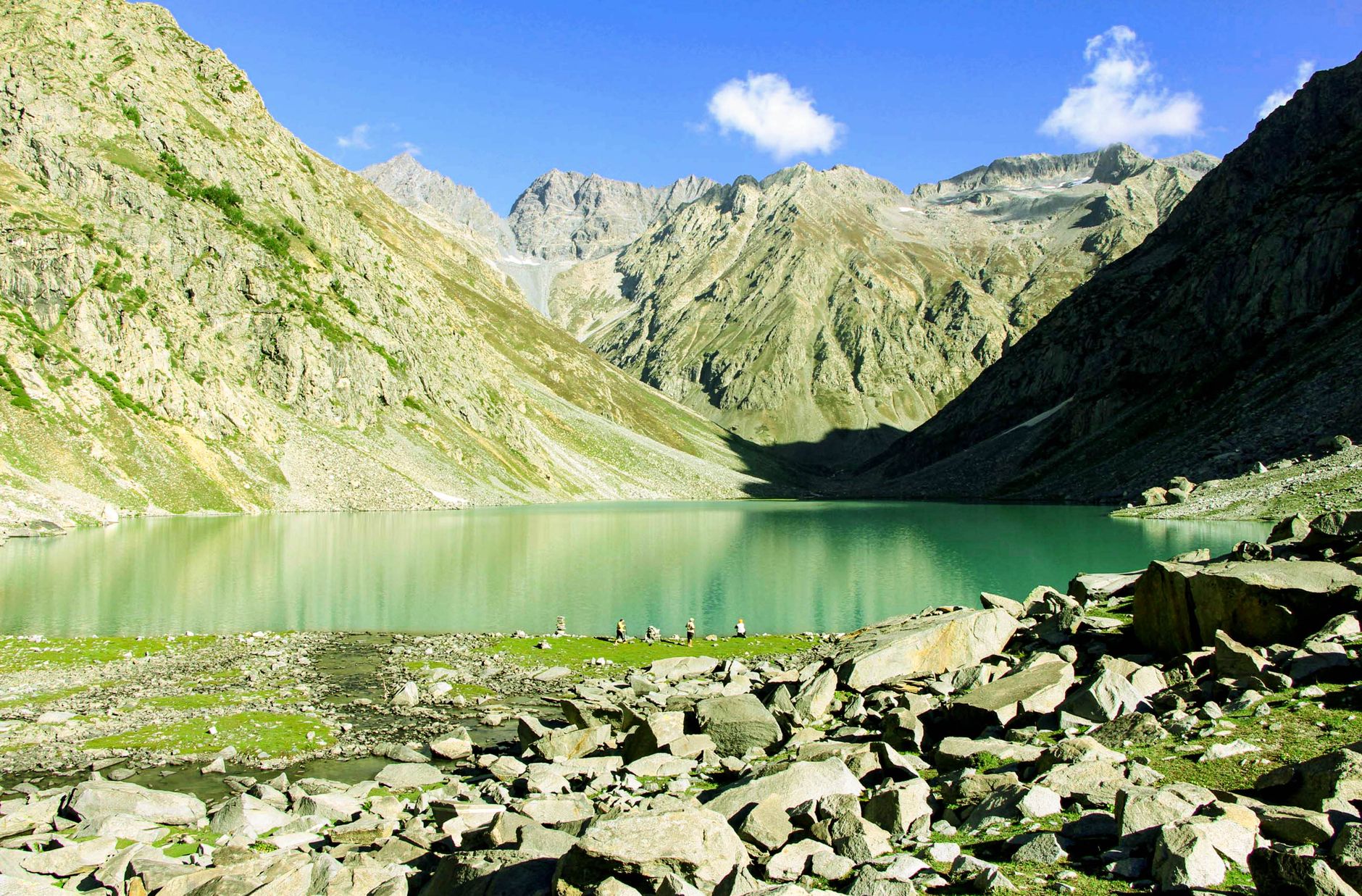
One of the highlights of the trek is the stunning view of the Kanchenjunga range, which is often visible during clear weather. Trekkers will also encounter pristine glacial lakes, including the serene Green Lake, which adds to the trek’s charm and allure. The vibrant colors of the surrounding flora and fauna enhance the natural beauty of the area, making it a photographer’s paradise.
While trekking, it is essential to stay acclimatized, as the altitude can pose challenges. Trekkers should be prepared for varying weather conditions, ranging from sunny days to sudden rain showers. It is advisable to pack layers of clothing and essential trekking gear.
Along the way, you will also have opportunities to connect with local communities, experiencing their culture and hospitality firsthand. Engaging with the locals can enrich your trekking experience, offering insights into the region’s traditions and lifestyle.
In summary, the Green Lake Trek promises an unforgettable adventure filled with natural wonders and cultural experiences, making it a must-try for avid trekkers.
Tips for First-Time Trekkers
For those planning to embark on the Green Lake Trek for the first time, preparation is key to ensuring a safe and enjoyable experience. Here are some essential tips to keep in mind:
- Acclimatization: Take time to acclimatize to the altitude before starting your trek. This helps prevent altitude sickness, which can affect your ability to enjoy the stunning views.
- Pack Wisely: Carry lightweight but durable gear. Essential items include a good quality backpack, trekking poles, water bottles, and layers of clothing to adapt to changing weather conditions.
- Stay Hydrated: Drink plenty of water throughout the trek. Staying hydrated is crucial, especially at high altitudes.
- Respect Nature: Follow the principles of Leave No Trace. Preserve the beauty of the Green Lake Trek by not littering and respecting wildlife.
- Find a Guide: Hiring an experienced local guide can enhance your trekking experience. They can share valuable insights about the flora, fauna, and culture of the region.
- Listen to Your Body: Pay attention to any signs of fatigue or discomfort. It’s important to know your limits and adjust your pace accordingly.
By following these tips, first-time trekkers can fully immerse themselves in the breathtaking adventure that the Green Lake Trek offers.
Success Stories from Recent Expeditions
The Green Lake Trek has recently seen a resurgence in popularity, with several successful expeditions showcasing the trek’s breathtaking beauty and challenging terrain. One notable success story involves a group of seven adventurous trekkers from Russia who completed the expedition after a four-year hiatus due to environmental concerns. Their journey not only marked a significant milestone in the trek’s reopening but also highlighted the commitment to sustainable tourism in Sikkim.
According to the trekkers, the experience was nothing short of transformative. Vladimir Ivanov, one of the members of the group, shared, “The Green Lake Trek is a hidden gem. The majestic views of the Kanchenjunga range coupled with the serene lake make it an unforgettable adventure.” The trekkers faced various challenges along the trail, including unpredictable weather and steep ascents, but their shared determination and camaraderie kept them motivated.
Moreover, local guides played a crucial role in ensuring the group’s safety and providing insights into the region’s rich cultural heritage. Irina Petrovna, another member, expressed her gratitude, stating, “The guides were invaluable. They not only led us safely but also enriched our journey with stories of Sikkim’s history.” The successful completion of the Green Lake Trek by these trekkers has sparked renewed interest in this adventure, inspiring many others to consider it as their next trekking destination.
Photo by Amjad ali on Pexels