



H-1B visa holders are facing significant challenges as they may have to leave the US immediately after job loss. The elimination of the 60-day grace period adds urgency to their situation.
Understanding the H-1B Visa
The H-1B visa is a non-immigrant visa that allows American companies to employ foreign workers in specialty occupations. This visa is particularly sought after by H-1B visa holders, as it enables them to work in the United States for a specific period, typically up to three years, with the possibility of extension.
Key features of the H-1B visa include:
- Specialty Occupation Requirement: The role must require specialized knowledge and a bachelor’s degree or its equivalent.
- Employer Sponsorship: Only U.S. employers can sponsor H-1B visa holders.
- Grace Period: Traditionally, visa holders had a 60-day grace period after job loss to find new employment.
Recent discussions indicate that this grace period may be removed, leading to immediate consequences for H-1B visa holders facing job loss.
Impact of Job Loss on H-1B Holders
The recent changes in policies affecting H-1B visa holders have raised significant concerns regarding job security and stability. Losing employment can have drastic implications for these individuals, who often rely on their visa status to remain in the United States. Without a job, H-1B visa holders may find themselves facing immediate departure from the country, as the previous 60-day grace period is set to be eliminated.
The impact of job loss on H-1B holders can be categorized as follows:
- Financial Strain: Many visa holders may face financial difficulties due to sudden unemployment.
- Emotional Distress: The uncertainty of visa status can lead to significant stress and anxiety.
- Career Disruption: Loss of employment can interrupt career progression and professional relationships.
This shift could drastically alter the landscape for H-1B visa holders in the U.S.
60-Day Grace Period Explained
The 60-day grace period is a critical provision for H-1B visa holders who find themselves without employment. This period allows individuals to remain in the United States for up to 60 days after losing their job, providing them the opportunity to seek new employment or make arrangements for their departure.
However, recent discussions suggest that this grace period may be at risk of being eliminated. This change could have severe consequences for H-1B visa holders, as they could be forced to leave the country almost immediately after job loss, without adequate time to transition to new employment opportunities.
Such a shift raises concerns about job security and stability for workers reliant on the H-1B visa. Stakeholders emphasize the importance of maintaining this grace period to allow for smoother transitions and to support the contributions of skilled workers in the U.S. economy.
Recent Changes in Immigration Policy
Recent changes in immigration policy have intensified the challenges faced by H-1B visa holders. With the looming threat of job loss, many are now grappling with the possibility of immediate departure from the United States. The proposed removal of the 60-day grace period is particularly alarming, as it would eliminate a crucial buffer for those who find themselves unemployed.
As a result, H-1B visa holders may find themselves in precarious situations, forced to seek new employment within a drastically shortened timeframe.
- Increased job insecurity: Many H-1B workers are now more vulnerable to sudden layoffs.
- Limited job search options: The urgency to secure new positions may lead to unfavorable employment conditions.
- Emotional and financial stress: The uncertainty can take a toll on mental health and financial stability.
Advice for H-1B Visa Holders
For H-1B visa holders facing job loss, navigating the current immigration landscape can be daunting. Here are some essential tips to consider:
- Understand your options: Familiarize yourself with alternatives such as transitioning to a different visa type or seeking employment with another employer willing to sponsor you.
- Network actively: Leverage professional networks and platforms to connect with potential employers who may be able to support your visa requirements.
- Consult an immigration attorney: Professional guidance can help clarify your rights and identify the best course of action following job loss.
- Stay informed: Keep abreast of any changes in immigration policies that may affect your situation as an H-1B visa holder.
Taking proactive steps can mitigate the impact of sudden job loss and ensure a smoother transition.
Future of Work Visas in the US
The future of work visas in the US remains uncertain, particularly for H-1B visa holders. As companies continue to adapt to shifting economic conditions, the demand for skilled workers may fluctuate, impacting visa policies. Recent discussions suggest a potential reevaluation of the grace period, which currently allows H-1B holders time to secure new employment after losing their jobs.
Industry experts warn that removing this grace period could lead to immediate displacement for many foreign workers. H-1B visa holders would face the prospect of uprooting their lives, often leaving their families and communities behind. This could exacerbate the talent shortage in critical sectors, as skilled individuals may hesitate to relocate to the US under such precarious conditions.
As the labor market evolves, understanding the implications of these changes is vital for both employers and employees.
What to Do After Job Loss
After experiencing job loss, H-1B visa holders should take immediate and strategic steps to secure their future in the United States. It is essential to:
- Assess Your Options: Review your current visa status and explore alternative employment opportunities.
- Network Actively: Reach out to professional contacts, attend industry events, and join online forums to increase job prospects.
- Consult an Immigration Attorney: Seek legal advice to understand your rights and explore possible visa alternatives.
- Update Your Resume: Highlight your skills and experiences to attract potential employers.
- Consider Freelancing: Look into freelance work or short-term contracts while searching for a new full-time role.
Taking proactive steps can significantly help H-1B visa holders navigate the challenges of job loss and maintain their residency status.
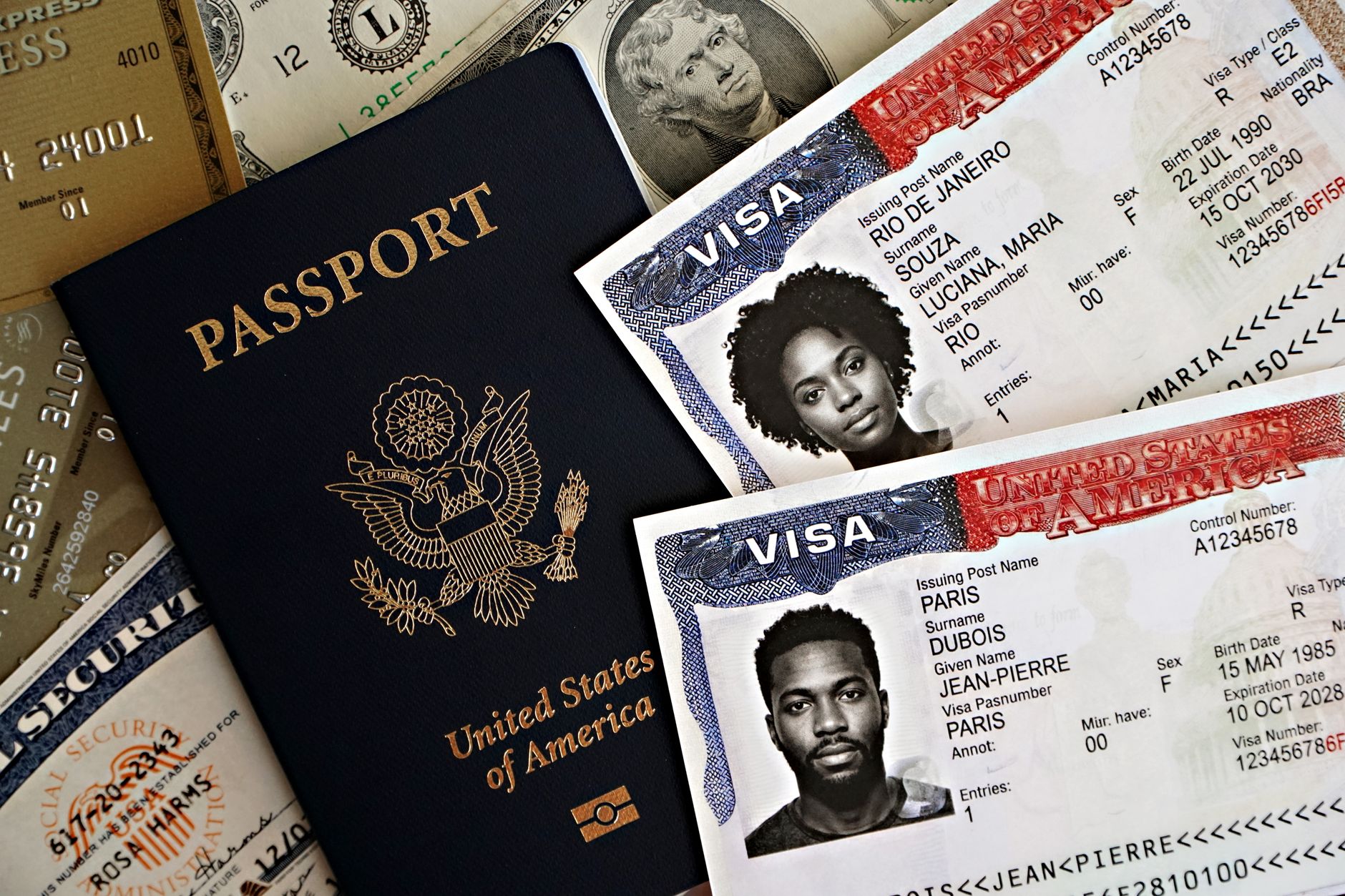
Photo by DΛVΞ GΛRCIΛ on Pexels