



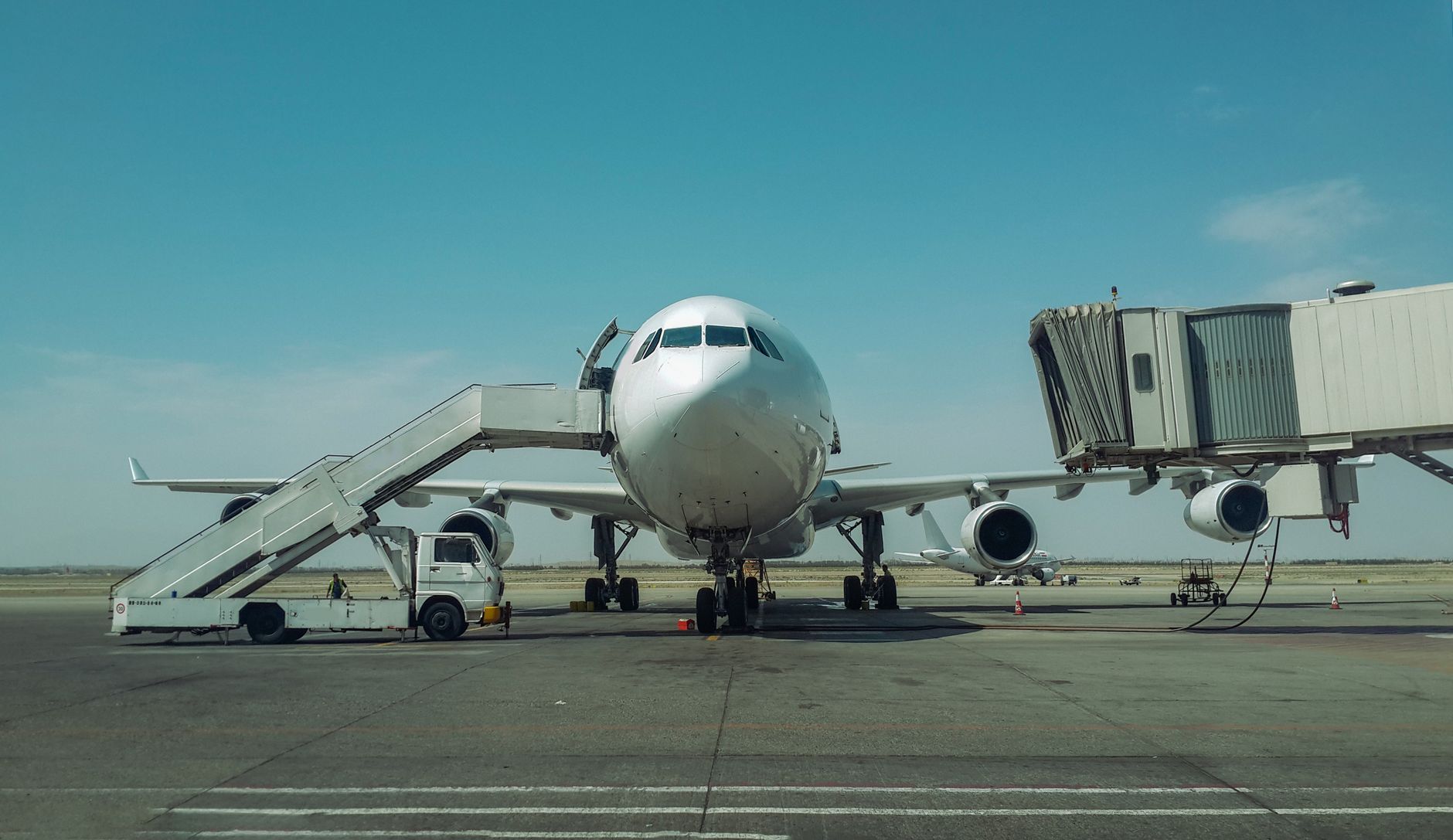
Iran flight disruptions are causing significant changes in travel plans for many. With recent US aviation sanctions, travelers are now opting for overland routes, altering their itineraries.
Impact of US Sanctions on Iran Flights
The impact of US sanctions on Iran flights has been significant, leading to widespread disruptions and altering travel patterns for many. Airlines operating within Iran face severe restrictions, making it increasingly challenging to maintain regular flight schedules. This has resulted in:
- Increased Travel Times: Many travelers are now forced to take overland routes, which can add days to their journey.
- Higher Costs: The need to reroute travel has led to inflated costs for passengers, affecting both local and international travelers.
- Reduced Flight Options: With fewer airlines willing or able to operate in Iran due to sanctions, options for travelers have dwindled.
- Economic Impact: The disruptions have also hit the tourism and business sectors hard, with fewer visitors traveling to and from Iran.
Overall, the ongoing Iran flight disruptions underscore the broader implications of international sanctions on travel and commerce.
Travelers’ Shift to Overland Routes
As travelers face increasing flight disruptions in Iran due to US sanctions, many are opting for overland routes as an alternative. This shift is not just altering travel plans but also affecting local economies, tourism, and the overall travel experience.
Travelers are finding that overland routes can offer a more scenic and culturally immersive experience. However, this comes with its own set of challenges:
- Longer Travel Times: Overland journeys can take considerably longer than flights, leading to increased fatigue.
- Safety Concerns: Some regions may pose safety risks, making travelers more cautious about their choices.
- Logistical Complications: Navigating multiple borders requires careful planning and can sometimes result in unexpected delays.
Despite these challenges, the allure of adventure and the desire to explore neighboring countries are encouraging travelers to adapt. Ultimately, the ongoing flight disruptions in Iran may reshape travel patterns for the foreseeable future.
Understanding the Aviation Sanctions
The ongoing Iran flight disruptions are largely attributed to a complex web of aviation sanctions imposed primarily by the United States. These sanctions have significantly limited the ability of Iranian airlines to access essential services, such as aircraft maintenance and spare parts. As a result, many flights have been canceled or delayed, leading to widespread frustration among travelers.
Additionally, international aviation companies are hesitant to engage with Iranian air carriers due to fears of repercussions from the U.S. government. This has created a challenging environment for airlines trying to operate in and out of Iran, exacerbating the existing issues.
Travelers are left with few options, and as previously noted, many have opted to take overland routes to reach their destinations. This shift not only prolongs travel times but also increases the risk of encountering additional obstacles along the way. The cumulative effects of these sanctions and the resulting flight disruptions have left many questioning the future of aviation in Iran.
Alternatives for Affected Travelers
For travelers affected by the recent Iran flight disruptions, several alternatives are available to ensure a smooth journey. Many have opted for overland routes, which can provide an opportunity to explore neighboring countries while circumventing air travel restrictions.
Here are some alternatives for those impacted:
- Bus Services: Long-distance buses connect major cities in Iran with nearby countries such as Turkey, Armenia, and Azerbaijan.
- Train Travel: Rail services offer a scenic way to travel to destinations like Istanbul or Tbilisi, often with comfortable accommodations.
- Car Rentals: For adventurers, renting a car can provide the freedom to explore at one’s own pace while navigating border crossings.
- Ride-Sharing Apps: Local ride-sharing options may also assist travelers in reaching nearby destinations without the hassle of flights.
As the situation evolves, it is crucial for travelers to stay informed about the latest developments regarding Iran flight disruptions and plan accordingly.
Future of Air Travel in Iran
The future of air travel in Iran remains uncertain as the ongoing Iran flight disruptions stem from stringent US sanctions. Airlines are grappling with considerable operational challenges, which may lead to a long-term restructuring of the aviation sector within the country. As international relations evolve, the potential for easing these restrictions may dictate the pace of recovery.
Moreover, the shift towards overland routes highlights a growing trend among travelers seeking alternatives. This change not only affects the travel experience but also impacts the economy, particularly in regions that rely on tourism. The adaptation to these disruptions may prompt local businesses to innovate and cater to new travel patterns.
Additionally, the emergence of regional partnerships may offer some respite for Iranian airlines, allowing them to explore new markets and routes. However, the immediate future still hinges on political negotiations and the global response to the sanctions. Only time will reveal how these factors will reshape the landscape of air travel in Iran.
Expert Opinions on Travel Disruptions
Experts in international travel and aviation have weighed in on the recent Iran flight disruptions caused by ongoing US sanctions. Many believe that these sanctions have not only hindered air travel but have also shifted the dynamics of regional transportation.
Dr. Sara Khalili, an aviation analyst, emphasizes that “the sanctions have created a complex environment for airlines operating in and out of Iran.” She adds, “As a result, travelers are often left with fewer options, leading to longer travel times and increased costs.”
In contrast, travel consultant Amir Hosseini notes that the shift towards overland routes is becoming increasingly popular among those looking to navigate these disruptions. “While it may be less convenient, many travelers find that overland travel offers greater flexibility and can sometimes be more economical,” he states.
Overall, experts agree that understanding the implications of these flight disruptions is crucial for anyone planning to travel to or from Iran in the near future.
The ongoing Iran flight disruptions have significantly affected both domestic and international travel plans. As travelers seek alternatives, the economic implications of these Iran flight disruptions are becoming increasingly apparent.
Photo by Alireza Akhlaghi on Pexels
Where this came from
Related stories
Australia visa changes: What are the worst impacts for Irish? · Turf Club menu: Is It the Best Reopening Experience? · Discounted fares to India: Airtripmaker’s New York Gateway Expansion