




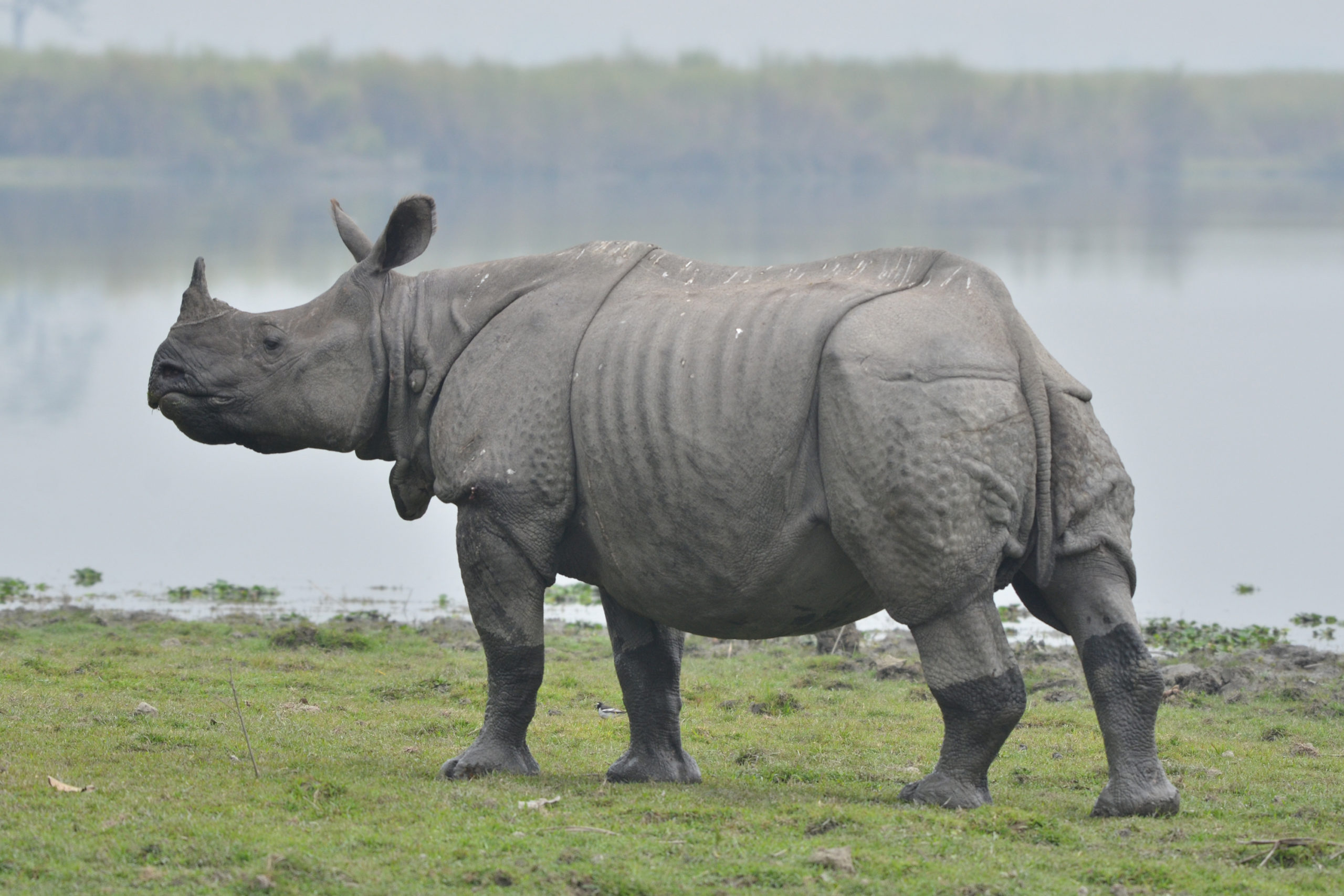
Kaziranga National Park is set to reopen for the 2026–27 season, offering visitors a chance to explore its rich biodiversity and stunning landscapes. This guide covers everything you need to know about your visit.
Overview of Kaziranga National Park
Kaziranga National Park, a UNESCO World Heritage Site, is renowned for its remarkable biodiversity and is home to the world’s largest population of the Indian one-horned rhinoceros. Located in the northeastern state of Assam, the park spans over 430 square kilometers of lush grasslands, marshland, and dense forests. Established in 1905 as a reserve forest, it gained national park status in 1974 and has since been a crucial site for wildlife conservation.
The park is not only a haven for rhinos but also supports a variety of wildlife, including elephants, tigers, and numerous bird species, making it a popular destination for nature enthusiasts and wildlife photographers. Visitors to Kaziranga National Park will find a unique opportunity to experience its rich flora and fauna through organized safaris. The park offers different types of safaris, including jeep and elephant rides, allowing guests to explore various zones and witness wildlife in their natural habitat.
As the 2026–27 season approaches, it’s essential for visitors to be informed about the reopening details. Preparations for the season include updated safari timings and booking procedures that ensure a smooth experience for all adventurers.
Safari Timings for 2026–27
The safari timings for the 2026–27 season at Kaziranga National Park have been officially announced, providing eager visitors with ample opportunity to explore this UNESCO World Heritage Site. The park will open for safaris starting from November 1, 2026, and will remain accessible until April 30, 2027.
During this period, the park will offer two main safari sessions each day:
- Morning Safari: 5:30 AM to 11:00 AM
- Evening Safari: 1:30 PM to 5:30 PM
It is essential for visitors to arrive early, as the number of vehicles allowed into the park is limited to ensure the safety of wildlife and enhance the overall experience. Advanced booking is highly recommended, especially during peak season, to secure a spot in these coveted safaris.
Moreover, guests are encouraged to adhere to the park’s rules and guidelines to minimize disturbances to the wildlife. With its rich biodiversity, Kaziranga National Park promises an unforgettable adventure filled with the chance to spot the famed one-horned rhinoceros, elephants, and a variety of bird species.
How to Book Your Safari
Booking your safari at Kaziranga National Park can be a seamless process if you follow a few essential steps. First, it is advisable to plan your visit well in advance, especially during peak seasons, as spots fill quickly due to the park’s popularity.
To book your safari, you have multiple options:
- Online Booking: Visit the official Kaziranga National Park website to check availability and book your safari online. This method is convenient and allows you to choose from various packages based on your interests.
- Travel Agents: Engaging a reputable travel agent can simplify the process. They often have insider knowledge and can help you secure bookings for both safaris and accommodations.
- In-Person Booking: If you are already in the area, you can book your safari at the park’s entrance. However, this option may lead to longer wait times, especially during busy periods.
Regardless of the method you choose, ensure you have the necessary documents ready, including valid identification and any required permits. With proper planning and timely booking, you can enjoy an unforgettable safari experience in the breathtaking landscapes of Kaziranga National Park.
Wildlife to Spot in Kaziranga
Kaziranga National Park is renowned for its incredible biodiversity and is home to a variety of wildlife that captivates nature enthusiasts. When visiting the park, tourists can look forward to spotting several remarkable species, making the safari experience truly unforgettable.
Some of the key wildlife to spot in Kaziranga include:
- Indian One-Horned Rhinoceros: This iconic species, symbolizing Kaziranga, is known for its distinctive horn and is a major draw for visitors.
- Bengal Tiger: With its elusive nature, the Bengal tiger can sometimes be spotted roaming the grasslands and forests.
- Asian Elephant: These gentle giants are often seen grazing in the park and are a highlight for many safari-goers.
- Wild Water Buffalo: Another unique inhabitant, these buffalos can frequently be found wallowing in the park’s wetlands.
- Barasingha: This swamp deer is adapted to the marshy habitats of Kaziranga and is a sight to behold.
Beyond these, the park is also home to numerous bird species, making it a paradise for birdwatchers. Visitors should be sure to keep their cameras ready for the myriad of wildlife that call Kaziranga National Park home.
Travel Tips for First-Time Visitors
For first-time visitors to Kaziranga National Park, preparation is key to making the most of your safari experience. Here are some essential travel tips to consider:
- Choose the Right Time: The best time to visit is from November to April when the weather is pleasant and wildlife is more active.
- Dress Appropriately: Wear comfortable, lightweight clothing in neutral colors to blend into the environment. Don’t forget sturdy shoes for walking safaris.
- Stay Hydrated: Carry a water bottle as it can get hot during the day. Staying hydrated will keep you energized for exploring.
- Respect Wildlife: Maintain a safe distance from animals, and avoid making loud noises to ensure you don’t disturb their natural behavior.
- Bring Binoculars: A good pair of binoculars enhances your wildlife viewing experience, allowing you to observe animals from afar.
- Hire a Guide: Consider hiring a knowledgeable guide who can provide insights about the park’s ecosystem and its inhabitants.
By following these tips, first-time visitors can enjoy a memorable and rewarding safari in Kaziranga National Park.
Best Time to Visit Kaziranga
The best time to visit Kaziranga National Park is generally during the cooler months, from November to April. This period offers the most favorable weather conditions, making it ideal for wildlife enthusiasts and nature lovers alike.
During these months, temperatures are pleasant, ranging from 10°C to 25°C, which enhances the experience of exploring the park. Additionally, the chances of spotting wildlife are significantly increased as animals tend to be more active during the cooler parts of the day.
Visitors can enjoy the lush greenery and vibrant landscapes that Kaziranga has to offer, especially after the monsoon season. The park is home to the famous one-horned rhinoceros, and winter is the perfect time to see these magnificent creatures alongside other diverse wildlife.
However, it’s important to note that the park can get crowded during peak tourist season, particularly around holidays. To avoid the rush, consider planning your visit during weekdays or opting for early morning safaris.
- November to April: Ideal weather conditions
- Wildlife activity: Higher chances of spotting animals
- Avoid crowds: Visit on weekdays
What to Pack for Your Safari
Planning a safari in Kaziranga National Park can be an exhilarating experience, and packing the right items will enhance your adventure. Here’s a list of essentials to consider bringing along:
- Clothing: Opt for lightweight, breathable fabrics in neutral colors. Long-sleeved shirts and pants will protect you from the sun and insects.
- Footwear: Comfortable walking shoes or sturdy sandals are crucial, especially if you plan to explore on foot.
- Binoculars: Enhance your wildlife viewing experience by bringing a good pair of binoculars to spot animals from a distance.
- Camera: Don’t forget your camera! Capture the stunning landscapes and unique wildlife that Kaziranga has to offer.
- Sun Protection: Sunscreen, sunglasses, and a wide-brimmed hat will help shield you from the sun.
- Insect Repellent: To ward off mosquitoes and other insects, apply insect repellent regularly.
- Water Bottle: Stay hydrated by carrying a refillable water bottle, especially during long outings.
By packing these essentials, you’ll be well-prepared to enjoy the breathtaking wildlife and landscapes of Kaziranga National Park.
By Anuwar ali hazarika via Openverse