



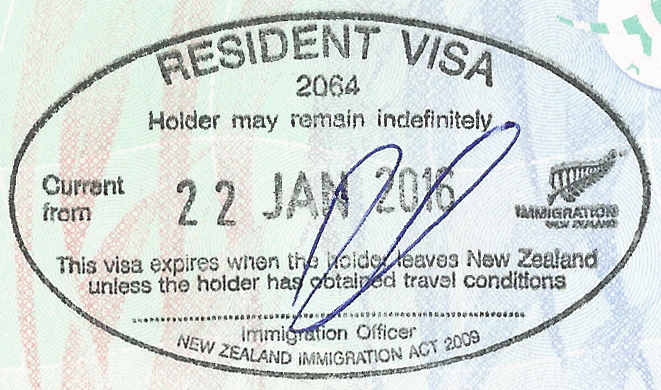
New Zealand residence visa policies are changing, affecting many foreign applicants. The recent decision to remove one occupation from the list raises concerns about immigration opportunities.
Overview of the New Zealand residence visa changes
The recent changes to the New Zealand residence visa have raised concerns among foreign workers. Previously, certain occupations provided a direct pathway to residency, but the government has decided to remove one key occupation from this list. This decision is part of a broader strategy to reassess immigration policies and prioritize local job opportunities.
Key points regarding the changes include:
- Impact on Applications: Many foreign workers who relied on this occupation for residency will need to explore alternative pathways.
- Government Rationale: Officials argue that the change will help address skill shortages in the local workforce.
- Future Implications: This move may deter potential migrants, leading to a decrease in applications for the New Zealand residence visa.
As the situation develops, many are left wondering what the long-term effects will be on New Zealand’s immigration landscape.
What occupation is being removed?
The New Zealand residence visa is undergoing significant changes, with one occupation facing removal from the list of those that provide direct access to residency.
The occupation being affected is general practitioner, a role that has been crucial in addressing the country’s healthcare needs. The decision to remove general practitioners from the residence visa eligibility list has raised concerns among potential migrants and healthcare professionals alike.
Many believe this change will exacerbate the existing shortage of medical personnel in New Zealand, making it more challenging for foreigners seeking to contribute to the healthcare sector. As the government aims to streamline its immigration policies, questions remain about the long-term impact on both the healthcare system and the aspirations of foreign professionals wishing to settle in New Zealand.
Impact on foreign applicants
The recent changes to the New Zealand residence visa have raised significant concerns among foreign applicants. Many potential migrants are now facing increased uncertainty as the removal of a key occupation from the eligibility list could severely limit their options. This modification is seen as one of the worst transformations for those seeking to establish a life in New Zealand.
Applicants who previously qualified under the now-removed occupation may struggle to find alternative pathways to residency. The tightening of immigration policies could lead to longer processing times and heightened competition among foreign professionals. In a time when global talent is essential for economic growth, these changes may deter skilled workers from considering New Zealand as their destination.
This situation underscores the challenges foreign applicants will face in navigating the evolving landscape of the New Zealand residence visa process.
Reactions from immigration experts
Immigration experts have expressed strong concerns regarding the recent changes to the New Zealand residence visa. Many believe that the removal of a key occupation will significantly limit opportunities for foreign applicants seeking to settle in the country.
Dr. Emily Chen, a prominent immigration consultant, stated, “This decision could deter skilled workers from considering New Zealand as their destination. The residence visa is a crucial pathway for many.”
Experts have noted that the decision may lead to a talent drain, as potential migrants might opt for countries with more favorable immigration policies.
Furthermore, John Roberts, a legal advisor, emphasized, “We must ensure that New Zealand remains attractive to skilled foreigners. The residence visa changes could have long-term ramifications on our economy.”
Overall, the reactions highlight a growing unease within the immigration community.
Alternatives for affected workers
For foreign workers affected by the recent changes to the New Zealand residence visa, several alternatives remain available. These options can help individuals navigate the evolving immigration landscape.
- Skilled Migrant Category: This pathway allows workers with skills in demand to apply for residency, provided they meet specific criteria.
- Work to Residence: Foreigners can initially apply for a temporary work visa, which may lead to a residence visa after a certain period of employment.
- Investor and Entrepreneur Visas: Those with financial resources can explore options to invest in or start businesses in New Zealand, paving the way to residency.
These alternatives can offer viable routes for those seeking to establish their lives in New Zealand despite the recent shifts in immigration policy.
Future of New Zealand’s immigration policy
The future of New Zealand’s immigration policy appears uncertain as significant changes to the residence visa process are set to take effect. The removal of specific occupations from the eligibility list has raised concerns among potential immigrants and industry experts alike. Many fear that these alterations will deter skilled workers from considering New Zealand as a viable destination for long-term settlement.
Moreover, the tightening of immigration rules may lead to a decline in the workforce needed to sustain various sectors. The government has indicated that adjustments are necessary for economic growth, yet critics argue that the loss of diverse talent could hinder innovation and progress.
As the landscape evolves, prospective applicants will need to navigate these challenges carefully to understand their options for obtaining a New Zealand residence visa.
Conclusion and next steps for applicants
In light of the recent changes to the New Zealand residence visa policy, applicants are urged to evaluate their options carefully. With the removal of a key occupation from the eligibility list, many foreign workers may find themselves reassessing their immigration strategies. It is essential for affected individuals to explore alternative pathways, such as skilled work visas or other residency options that might suit their qualifications.
Additionally, staying informed about future developments in New Zealand’s immigration policy will be crucial for prospective applicants. Immigration experts recommend that foreign workers consult with licensed immigration advisors to navigate the complexities of the new rules effectively. By understanding the implications of this significant change, applicants can better prepare themselves for a successful application process in light of the evolving landscape of New Zealand residence visa opportunities.
By Shujenchang via Openverse