



reduce domestic flights is becoming a reality as Air India and IndiGo respond to rising ATF costs and decreasing passenger demand.
Overview of Flight Reductions
Air India and IndiGo have announced their decision to reduce domestic flights in response to escalating aviation turbine fuel (ATF) costs and a noticeable dip in passenger demand. This move reflects a broader trend within the aviation industry as airlines adapt to fluctuating economic conditions and changing travel behaviors.
The decision to cut back on domestic routes is a strategic one, aimed at optimizing operational efficiency. The rising costs of fuel have put significant pressure on airlines, forcing them to reconsider their flight schedules and routes. The following factors are contributing to this decision:
- Increased Fuel Prices: The soaring price of ATF has made it challenging for airlines to maintain profitability on certain domestic routes.
- Lower Passenger Demand: A shift in travel patterns, partly due to economic uncertainty, has led to decreased bookings on specific flights.
- Operational Efficiency: Airlines are looking to streamline their services to focus on the most profitable routes.
As a result, travelers may see fewer options for domestic travel, prompting discussions about the future of air travel in India.
Impact of Rising ATF Costs
The airline industry is grappling with a significant challenge as the costs of Aviation Turbine Fuel (ATF) continue to rise. This situation has compelled major carriers such as Air India and IndiGo to consider strategies to mitigate financial losses, including the tough decision to reduce domestic flights.
As fuel prices soar, airlines face increasing operational costs, which are difficult to pass on to consumers without affecting demand. The repercussions of these rising expenses are being felt across the sector, leading to:
- Increased ticket prices: Carriers are reluctantly raising fares, which may deter some travelers.
- Flight cancellations: Reducing the frequency of domestic flights becomes a necessary measure to maintain profitability.
- Route adjustments: Airlines are reassessing their networks, focusing on more lucrative routes while scaling back on less profitable ones.
- Impact on air travel demand: The combination of higher costs and reduced availability may lead to a decline in passenger numbers.
As Air India and IndiGo navigate these turbulent times, the decision to reduce domestic flights reflects a broader trend within the aviation industry, aiming to balance economic viability with customer needs.
Passenger Demand Trends
Recent trends in passenger demand indicate a significant shift in air travel preferences. As travelers increasingly opt for alternative modes of transportation or adjust their travel plans, airlines are facing mounting pressure to reduce domestic flights to align with this changing landscape.
Several factors contribute to this decline in demand:
- Economic Constraints: With rising costs of living, many consumers are cutting back on discretionary spending, including travel.
- Remote Work Policies: The continuation of flexible work arrangements has led to fewer business-related flights, impacting overall passenger numbers.
- Health and Safety Concerns: Ongoing worries about health risks associated with crowded flights have deterred some travelers.
In light of these developments, airlines like Air India and IndiGo have responded by strategically reducing their domestic flight schedules. This decision reflects a calculated approach to maintain operational efficiency while addressing the realities of a fluctuating market.
As the industry navigates these challenges, understanding passenger demand trends will be crucial for airlines to adapt and thrive in the evolving travel landscape.
Air India and IndiGo’s Strategies
In response to the challenging economic landscape, Air India and IndiGo have implemented strategic measures to reduce domestic flights. Both airlines are facing the dual pressures of escalating aviation turbine fuel (ATF) costs and fluctuating passenger demand. To navigate these difficulties, they have devised specific plans aimed at optimizing their operations.
Air India has announced a temporary reduction in its domestic flight schedules, focusing on routes with lower passenger turnout. This strategy seeks to maximize profitability while maintaining a reliable service level for travelers. Meanwhile, IndiGo is prioritizing efficiency by consolidating flights on popular routes, thus ensuring that capacity meets current demand without incurring unnecessary operational costs.
Each airline is also exploring additional cost-saving measures, such as renegotiating contracts with suppliers and investing in more fuel-efficient aircraft. These adaptations are essential for long-term sustainability in a competitive market where the ability to respond quickly to changing conditions is paramount.
As both airlines implement these adjustments, the industry watches closely to gauge the impact on overall domestic travel patterns.
Comparison with Other Airlines
As Air India and IndiGo take steps to reduce domestic flights, they are not alone in facing challenges within the aviation sector. Other airlines are also reevaluating their flight schedules and routes in response to rising operational costs and fluctuating passenger demand.
Jet Airways, although currently grounded, has hinted at a possible restructuring plan that may involve fewer domestic services once it resumes operations. Their focus appears to be on profitability rather than quantity of flights.
Similarly, SpiceJet is reportedly consolidating its routes and may implement similar measures to reduce operational strain. The airline has recently conducted a review of its domestic services, aiming to align with current market conditions.
International airlines are also adapting; for instance, Emirates has temporarily reduced some of its domestic connections to focus on more profitable international routes. This trend indicates a broader shift in the industry as carriers prioritize sustainable operations over extensive networks.
As airlines reassess their strategies, the decision to reduce domestic flights reflects a growing consensus on the need for smarter, more efficient air travel solutions.
Future of Domestic Air Travel
The future of domestic air travel in India appears to be shifting as airlines like Air India and IndiGo take significant steps to reduce domestic flights. This decision is largely influenced by the increasing cost of Aviation Turbine Fuel (ATF) and evolving passenger preferences.
Industry analysts suggest that the reduction in domestic flights may lead to a more sustainable model for airlines, allowing them to operate more efficiently while preserving quality service. Airlines are likely to evaluate routes more critically, focusing on profitability rather than sheer volume of flights. This could mean fewer flights on less popular routes and a shift towards high-demand corridors.
In response to the changing landscape, airlines may also explore alternative strategies, such as enhancing in-flight services and improving connectivity through partnerships. As the market stabilizes, the focus will be on offering a better experience for travelers rather than just increasing flight frequency.
Ultimately, reducing domestic flights may not only affect airline operations but also reshape passenger expectations and travel habits in the long term.
Expert Opinions on Flight Reductions
Experts are weighing in on the recent decision by Air India and IndiGo to reduce domestic flights, a move seen as necessary given the current economic climate. Dr. Anjali Sharma, an aviation analyst, notes that the rising cost of aviation turbine fuel (ATF) has forced airlines to reconsider their operational strategies. “Reducing domestic flights is not just about cutting costs; it’s about ensuring sustainability in the long run,” she stated.
Moreover, Professor Rajiv Mehta from the Aviation Institute emphasizes the importance of adjusting to passenger demand trends. He argues that “airlines must align their services with current travel behaviors. As remote work continues to influence travel, a reduction in domestic flights could be a prudent choice.”
Industry insiders also suggest that this trend may lead to a reconfiguration of routes, focusing on more profitable sectors. “Airlines should not view this as a setback but as an opportunity to streamline operations,” said Ms. Kavita Suresh, a leading consultant in airline strategies.
In summary, while the decision to reduce domestic flights poses challenges, experts believe it could pave the way for a more resilient aviation sector.
Travel Tips for Affected Passengers
As Air India and IndiGo prepare to reduce domestic flights due to rising ATF costs and shifting passenger demand, travelers may find themselves needing to adjust their plans. Here are some travel tips for those affected by these changes.
- Be Flexible: Consider adjusting your travel dates. If your travel plans are not fixed, being flexible can help you find alternative flights.
- Explore Alternative Airports: Look for flights from nearby airports. This may provide more options and potentially better fares.
- Book in Advance: With the reduction in domestic flights, booking early might help secure a seat on your desired route.
- Monitor Airlines: Keep an eye on different airlines as they may adjust their schedules or offer promotions to attract passengers.
- Use Travel Apps: Leverage travel apps to compare prices and availability efficiently. These tools can help you find the best deals.
- Consider Alternative Modes: If feasible, look into train or bus travel as a substitute for domestic flights.
By staying proactive and informed, passengers can navigate this challenging landscape as airlines reduce domestic flights.
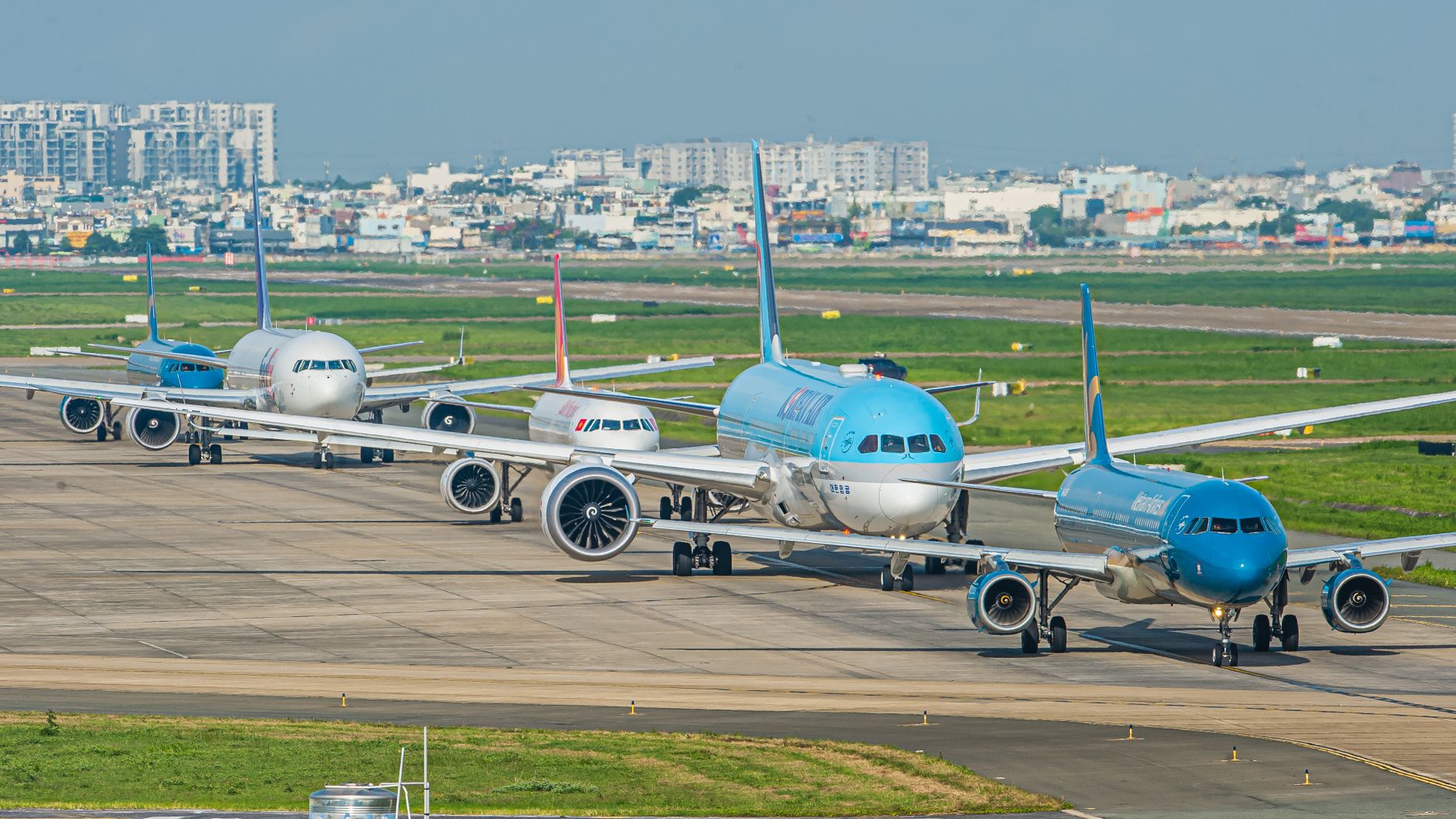
In response to rising fuel costs and environmental concerns, both Air India and IndiGo have decided to reduce domestic flights. This move aims to streamline operations and focus on more profitable routes while working to reduce domestic flights across the country.
Photo by Go Journal on Pexels
Sources
Related reading
Udaipur Mumbai flights: Easy travel with Akasa Air’s new route · Valmiki Tiger Reserve Safari: Best Routes for Tourists · New Routes from Leeds Bradford: Exciting Travel Options Ahead