



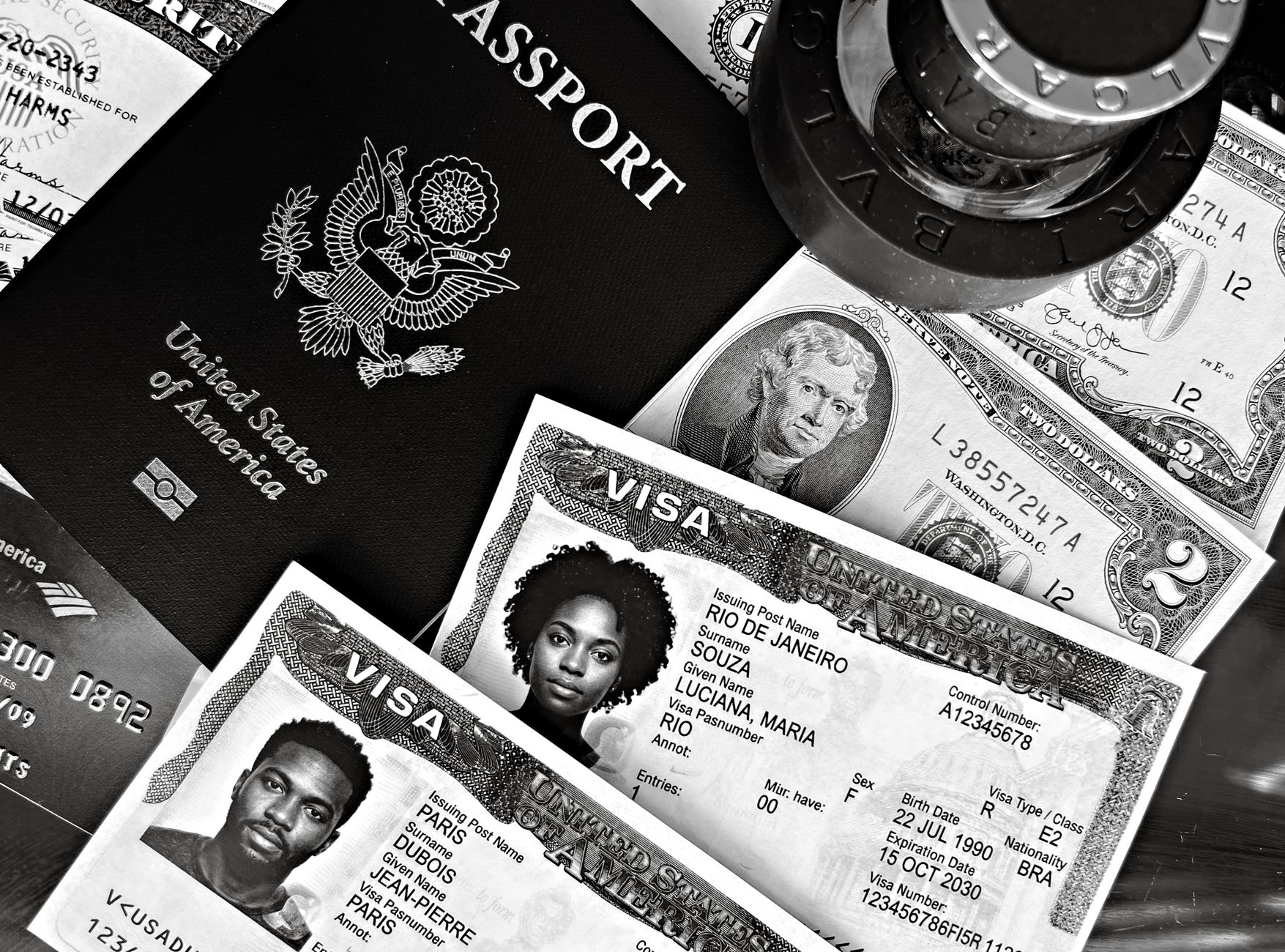
Trump visa restrictions have been postponed by a federal judge, offering a reprieve for international students concerned about their educational opportunities in the U.S.
Overview of the Visa Restrictions
The recent legal developments surrounding the Trump visa restrictions have captured the attention of many, particularly those in the educational sector. These restrictions aimed to limit the number of international students allowed to study in the United States, a move that sparked significant backlash from universities and advocacy groups.
At the heart of the controversy was the fear that these policies would severely hinder the opportunities for international students, who contribute not only to the diversity of campuses but also to the economy. Many institutions rely on tuition fees from these students, making their presence vital for financial stability.
In the wake of a federal judge’s decision to postpone the implementation of these restrictions, several key points have emerged:
- Economic Impact: International students contribute billions to the U.S. economy each year.
- Academic Contributions: They enhance the academic environment through diverse perspectives.
- Legal Proceedings: Ongoing litigation may further alter the landscape of visa policies.
- Future Uncertainty: The postponement has left many unsure about the long-term implications of the Trump visa restrictions.
As these discussions continue, the fate of international students remains a critical topic in higher education and immigration policy.
Impact on International Students
The recent postponement of the Trump visa restrictions has left many international students in a state of uncertainty, as they grapple with the implications for their education and future in the United States. These restrictions were initially designed to limit the number of visas granted to foreign students, aiming to prioritize domestic enrollment in U.S. universities. However, the federal judge’s decision has temporarily alleviated some concerns.
Many students fear the long-term effects of such policies, which could discourage international applicants from pursuing their studies in the U.S. This uncertainty can lead to significant challenges, including:
- Financial Strain: International students often pay higher tuition rates, and any shifts in visa policies can affect their financial planning.
- Career Aspirations: Students rely on their education in the U.S. to secure job opportunities globally, and restrictive policies can hinder their prospects.
- Cultural Integration: The presence of international students enriches the educational experience for all, and reduced numbers could limit cultural exchange.
As the legal proceedings continue, international students are watching closely, hoping for a resolution that prioritizes education and inclusivity. The impact of Trump visa restrictions remains a critical concern, affecting not just students but the landscape of American higher education as a whole.
Legal Background of the Case
The legal background surrounding the Trump visa restrictions is complex and multifaceted. In 2020, the Trump administration announced a set of restrictions aimed at curbing the number of international students entering the United States. These restrictions primarily targeted students enrolled in online programs, proposing that they could be deported if their courses shifted to remote learning due to the ongoing pandemic.
The announcement faced immediate backlash from universities, advocacy groups, and students themselves, leading to a series of lawsuits challenging the legality of these restrictions. Critics argued that the Trump visa restrictions not only undermined the educational opportunities for international students but also violated administrative procedures by failing to provide adequate justification for such sweeping changes.
Subsequent court rulings have significantly shaped the debate. In July 2020, a federal judge issued a temporary restraining order, effectively blocking the enforcement of the restrictions. This decision provided a reprieve for many students, allowing them to remain in the country and continue their studies without the threat of deportation.
As legal challenges continue, the future of any revised visa policies remains uncertain. Stakeholders are closely monitoring ongoing litigation, which could have long-lasting implications for international student enrollment and the overall landscape of U.S. higher education.
Responses from Educational Institutions
In the wake of the recent postponement of Trump visa restrictions, educational institutions across the United States have expressed a range of reactions. Many universities and colleges are relieved to see a temporary halt to policies that they believe could significantly hinder international student enrollment.
According to a statement from the National Association of International Educators, the impact of these restrictions on the academic community has been profound. They noted that the potential for increased barriers could deter talented students from pursuing education in the U.S., ultimately affecting the country’s global competitiveness.
Several university presidents have also voiced their concerns. Dr. Emily Rodriguez, president of a major research university, stated, “International students enrich our campuses and contribute to diverse perspectives in our classrooms. Any restrictions on their ability to study here must be scrutinized.”
The American Council on Education released a report highlighting the financial implications of Trump visa restrictions, emphasizing that international students contribute billions of dollars annually to the U.S. economy. They argue that maintaining an open and welcoming environment is crucial for future growth.
Furthermore, a coalition of universities has pledged to advocate for policies that support international students, emphasizing the importance of collaboration in higher education. As discussions continue, the educational community remains hopeful that the postponement will lead to more favorable outcomes in the future.
Future Implications for Immigration Policy
The recent postponement of the Trump visa restrictions has raised significant questions about the future of immigration policy in the United States. As the landscape of international education continues to evolve, policymakers must consider the long-term implications for both students and higher education institutions.
One critical aspect to examine is the potential for increased competition among countries to attract international talent. With countries like Canada and Australia implementing more welcoming policies, the U.S. may risk losing its status as a preferred destination for students seeking quality education and diverse cultural experiences.
Moreover, as the legal battles surrounding these visa restrictions unfold, it is likely that future administrations will either build upon or dismantle the existing framework for international student visas. This could lead to:
- Increased scrutiny: Future visa applications may face heightened vetting processes, potentially discouraging prospective students.
- Policy shifts: Changes in leadership could result in more lenient or stringent immigration policies, impacting enrollment numbers.
- Institutional adaptability: Colleges and universities may need to develop new strategies to support international students amidst evolving regulations.
Ultimately, the trajectory of immigration policy will significantly influence the international student experience, shaping the U.S. educational landscape for years to come.
Expert Opinions on the Ruling
Legal experts have weighed in on the recent ruling regarding Trump visa restrictions, emphasizing its implications for international students and educational institutions. Many believe that the court’s decision to postpone these restrictions represents a significant victory for academia and the global exchange of ideas.
Dr. Emily Carter, an immigration law specialist at the University of California, stated, “This ruling not only protects the rights of international students but also reinforces the importance of diversity in our educational systems. The Trump visa restrictions had been seen as an attempt to curb the flow of talent into the United States, which could have long-term negative effects on innovation and research.”
Similarly, Professor Mark Thompson, an expert in international relations, noted that “international students contribute billions to the U.S. economy and enrich our cultural landscape. The postponement of these restrictions highlights the need for a balanced approach to immigration policy.”
Others have expressed concern that the Trump visa restrictions, even if postponed, could resurface in future legislative efforts. Dr. Jessica Lin, a policy analyst, cautioned, “While this ruling is a positive step, it is crucial for stakeholders in higher education to remain vigilant and advocate for a more welcoming immigration policy.”
Overall, the expert opinions reflect a consensus that the recent ruling provides a temporary reprieve while emphasizing the need for ongoing dialogue about immigration and education in America.
Next Steps for Affected Students
As the dust settles from the recent federal court ruling on Trump visa restrictions, many international students are left contemplating their next steps. While the postponement of these restrictions offers a temporary reprieve, uncertainty still looms over their academic pursuits in the United States.
Students should consider the following actions to navigate this transitional period:
- Stay Informed: Regularly check updates from official government sources and your educational institution regarding visa policies and any changes that may arise.
- Consult Advisors: Engage with academic advisors or international student offices at your university. They can provide tailored guidance based on your specific situation.
- Explore Legal Options: If personal circumstances are affected by the visa restrictions, consider consulting an immigration attorney for advice on potential legal recourse or pathways to adjust your status.
- Network with Peers: Connect with fellow international students who may share similar concerns. Building a supportive community can be invaluable for sharing resources and experiences.
- Document Everything: Keep thorough records of your visa status, academic progress, and any communications regarding your situation. This documentation may be crucial for future applications.
Being proactive can empower affected students as they navigate the complexities introduced by the Trump visa restrictions, ensuring they remain focused on their educational goals.
Photo by DΛVΞ GΛRCIΛ on Pexels
Read the original
Related stories
India Aviation Push: Is It the Best Move for Tourism? · Kolkata Port cargo terminal: Is It the Best New Option? · Delhi Airport Pier C: Is It the Best Addition for Travelers?