




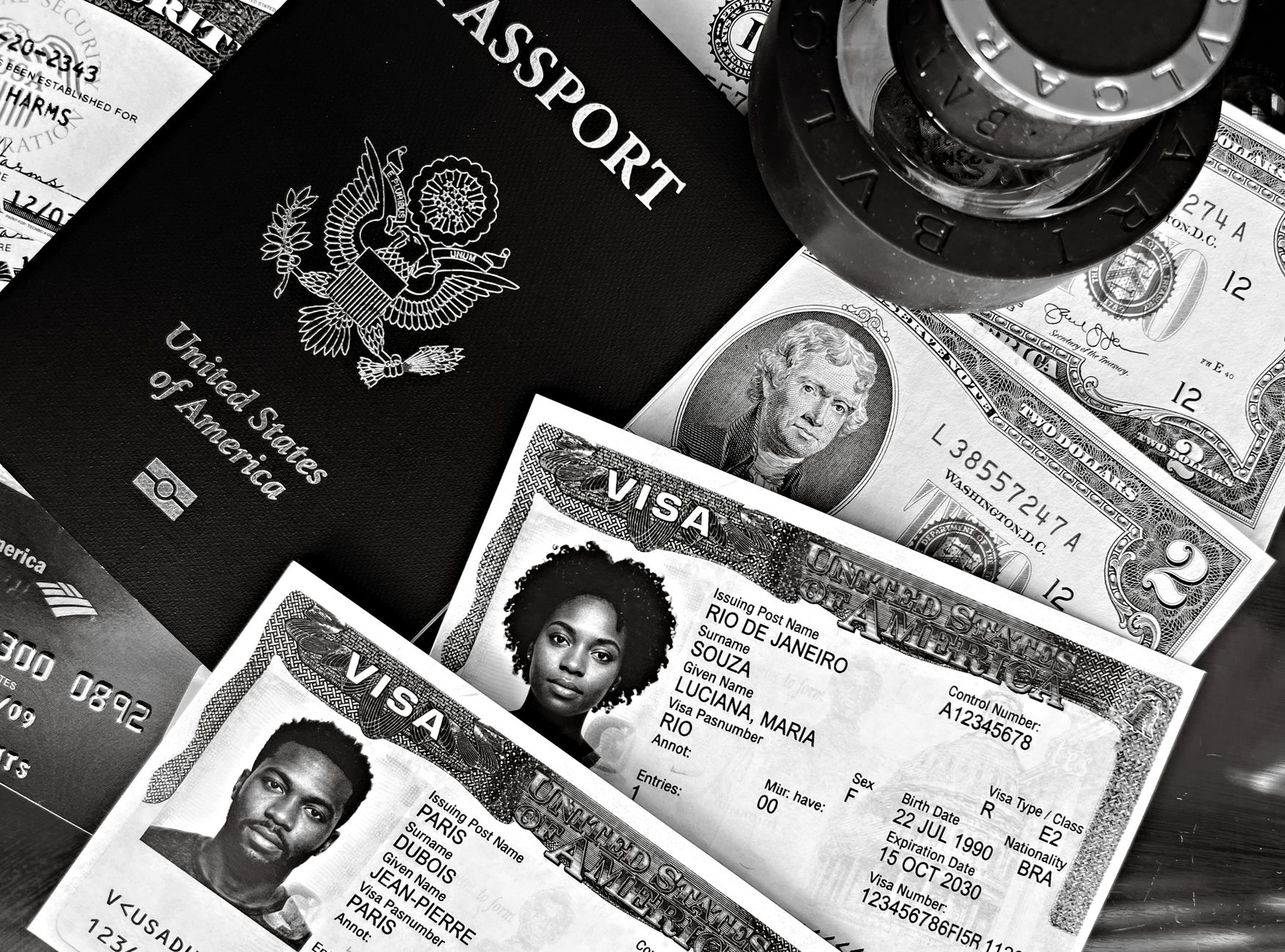
visa screening expansion has become a significant topic as the US government announces the addition of three more categories to its visa screening process.
What is Visa Screening?
Visa screening is a crucial process implemented by the United States government to enhance national security and ensure the safety of its citizens. This procedure involves the thorough examination of visa applicants to identify potential risks they may pose. With the recent visa screening expansion, the U.S. has added new categories to this vetting process, reflecting a proactive approach to safety.
The expansion aims to address evolving security concerns by broadening the scope of information reviewed during visa applications. Previously focused on specific criteria, the new categories include:
- Social Media Accounts: All applicants are now required to provide their social media handles, allowing authorities to assess the online behavior and affiliations of visa seekers.
- Travel History: A comprehensive review of an applicant’s previous travel to certain countries is now mandatory, helping to identify any connections to regions of concern.
- Employment Information: Understanding an applicant’s employment background is vital, as it can reveal potential links to extremist activities.
This visa screening expansion signifies the U.S. government’s commitment to safeguarding its borders while maintaining an efficient immigration process. Authorities believe that these additional measures will bolster security and enhance the overall integrity of the visa system.
New Categories Added
The United States has announced an expansion of its visa screening process by adding three new categories aimed at enhancing national security. This move is part of the broader visa screening expansion initiative, which seeks to ensure a more thorough assessment of applicants.
Officials have stated that the newly added categories will focus on:
- Social Media Activity: Applicants will now be required to provide information about their social media accounts, allowing authorities to review online behaviors that could pose security risks.
- Previous Immigration Violations: The screening will take into account any past violations of immigration laws, helping to identify potential threats from individuals who may have breached regulations in the past.
- Family Ties to Extremist Groups: Applicants will be questioned about any familial connections to known extremist organizations, a measure designed to prevent individuals from entering the country who may have associations with terrorism.
This expansion reflects the US government’s commitment to refining its visa protocols in response to evolving security challenges. By incorporating these new categories, officials aim to better assess the backgrounds and intentions of those seeking entry into the country, ultimately contributing to a safer environment for all citizens.
Impact on Visa Applicants
The recent visa screening expansion has significant implications for individuals applying for U.S. visas. With the addition of new categories that require more extensive background checks, applicants may face a lengthier and more complex application process. This shift aims to enhance national security but raises concerns among many prospective travelers.
One of the primary impacts of this expansion is the increased scrutiny of social media accounts. Applicants may now need to provide their social media handles, which will be reviewed by immigration officials. This move has sparked a debate about privacy and the potential for discrimination based on online behavior.
Moreover, the expanded screening criteria could lead to:
- Longer Wait Times: As visa processing becomes more thorough, applicants might experience delays in obtaining their visas.
- Higher Rejection Rates: The more stringent requirements could result in more denials, particularly for those who may have posted controversial content online.
- Increased Anxiety: The fear of being judged based on social media activity may deter some individuals from applying altogether.
Overall, while the visa screening expansion aims to bolster safety, it introduces challenges that could impact the travel plans of many hopeful applicants.
Social Media Screening Explained
As part of the recent visa screening expansion, the U.S. government has introduced social media screening to enhance security measures for visa applicants. This approach requires applicants to provide their social media handles, which will be reviewed during the visa application process.
Social media screening aims to identify any potential risks associated with individuals seeking entry into the United States. The government believes that analyzing online activity can help uncover connections to extremist groups or other threats. Key aspects of this screening process include:
- Public Accounts Only: Only public social media profiles will be scrutinized. Applicants are encouraged to ensure their profiles are accessible.
- Data Collection: The collected data will focus on posts, interactions, and connections made by the applicant over a specified period.
- Privacy Considerations: While the goal is to enhance national security, concerns about privacy and the potential misuse of data have been raised.
This expansion into social media screening reflects a broader trend in visa policy aimed at safeguarding the nation. Applicants must be aware that any negative online behavior could impact their chances of obtaining a visa. The visa screening expansion is intended to create a more thorough assessment of applicants, thereby increasing safety for all.
Why Expand Visa Screening?
The recent expansion of visa screening is a proactive measure aimed at enhancing national security and public safety. As the world becomes increasingly interconnected, the necessity to assess individuals seeking entry into the United States has grown. Expanding visa screening allows authorities to better understand the backgrounds and intentions of applicants, ultimately leading to a safer environment for citizens and visitors alike.
There are several reasons driving the decision to expand visa screening:
- Heightened Security Concerns: In light of recent global events, the U.S. government recognizes the importance of thorough assessments to mitigate potential threats.
- Integration of Technology: Advances in technology enable more efficient screening processes, allowing for a deeper dive into applicants’ backgrounds.
- Gathering Comprehensive Data: By expanding the categories of visa screening, officials can collect more relevant information that may indicate risks or red flags.
- Public Demand for Safety: Citizens are increasingly vocal about their desire for measures that protect them from potential dangers associated with immigration.
Ultimately, the visa screening expansion reflects a commitment to ensuring that the U.S. remains a secure place while continuing to welcome those who wish to visit or relocate. This initiative underscores the balance between security and the need for openness in a global society.
Public Reaction to Changes
The recent visa screening expansion has elicited a variety of responses from the public, reflecting a mix of support and concern. Many individuals have expressed apprehension about the implications of increased scrutiny on visa applicants, particularly regarding privacy issues and potential discrimination.
- Support for Safety: Some community members believe that the expansion of visa screening is a necessary step in enhancing national security. They argue that thorough background checks can help prevent individuals with harmful intentions from entering the country.
- Concerns Over Privacy: Conversely, others are worried about the invasion of privacy that comes with broader social media screening. Critics argue that requiring applicants to disclose more personal information could lead to unfair biases in the decision-making process.
- Impact on Immigrant Communities: Advocacy groups have voiced their concerns about how this expansion may disproportionately affect immigrant communities. They fear it could create an environment of fear and mistrust, deterring individuals from applying for visas altogether.
Social media reactions have also been divided, with some praising the government’s efforts to enhance safety, while others call for a reevaluation of the criteria used for vetting. As the public continues to discuss the implications of these changes, it remains to be seen how the policies will evolve in response to feedback.
Future of US Visa Policies
The future of US visa policies appears to be increasingly focused on enhancing security through comprehensive screening processes. As the recent visa screening expansion indicates, the government is taking proactive measures to ensure that all applicants are thoroughly vetted. This expansion not only includes the incorporation of new categories but also emphasizes the importance of monitoring potential risks posed by individuals seeking to enter the country.
With the addition of more categories, the US aims to create a multi-faceted approach to visa screening. This initiative reflects a balance between national security interests and the need for streamlined processes that do not unduly burden applicants. As technology evolves, so too will the methodologies used in screening processes, potentially integrating advanced techniques that leverage big data analytics and artificial intelligence.
Stakeholders, including immigration advocates and security experts, are keeping a close eye on these developments. While some view the visa screening expansion as a necessary step towards safeguarding national interests, others express concerns about privacy and the implications of extensive monitoring. Ultimately, the effectiveness of these new policies will depend on their implementation and the ability of the government to address the varied perspectives surrounding them.
As discussions continue, it is clear that the landscape of US visa policies will be shaped by ongoing evaluations and adaptations to emerging challenges in global security.
The recent visa screening expansion aims to enhance national security by incorporating new categories that address emerging threats. As part of this visa screening expansion, applicants will now undergo more thorough evaluations to ensure the safety of all citizens.
Photo by DΛVΞ GΛRCIΛ on Pexels