




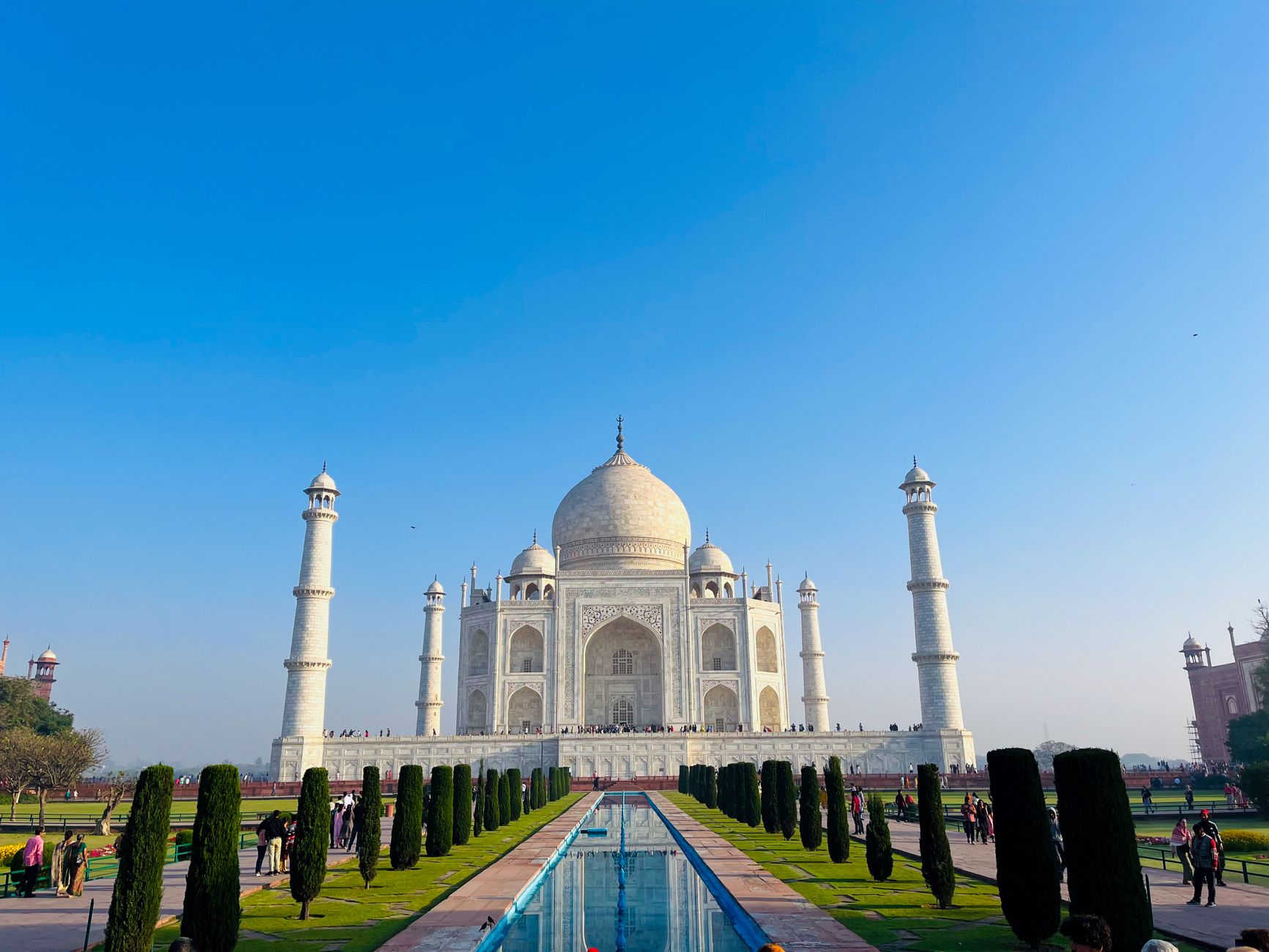
Visitor Visa India is set to undergo significant changes as it transitions to a new format. This update introduces two new categories aimed at enhancing the tourist experience in India.
Overview of Visitor Visa Changes
The Indian government has announced significant changes to its tourist visa policy, rebranding it as the “Visitor Visa.” This new classification will introduce two distinct categories aimed at simplifying the travel experience for international tourists. The main goal of these changes is to enhance the appeal of India as a destination while ensuring a seamless entry process for visitors.
Under the new Visitor Visa framework, tourists will benefit from the following features:
- Short-term Visitor Visa: Designed for stays of up to 30 days, this visa will facilitate quick trips for leisure or business purposes.
- Long-term Visitor Visa: This category will allow stays of up to 180 days, catering to travelers who wish to explore India in greater depth.
Additionally, the Visitor Visa will enable multiple entries, allowing tourists to travel in and out of the country with ease. These changes are expected to significantly boost tourism by providing greater flexibility and convenience for visitors. As the world opens up, the new Visitor Visa India is set to attract more travelers looking to experience the rich culture and heritage of the country.
What the New Categories Mean
The recent changes to India’s tourist visa system, now termed the Visitor Visa India, introduce two new categories aimed at enhancing travelers’ experiences. These categories are designed to streamline the visa process and cater to a broader range of visitors.
- Short-term Visitor Visa: This category is intended for tourists planning a brief stay, offering a duration of up to 30 days. It is perfect for travelers looking to explore India’s rich cultural heritage and vibrant landscapes without lengthy bureaucratic hurdles.
- Long-term Visitor Visa: For those wishing to stay longer, this option allows for visits of up to 180 days. This category is ideal for tourists who want to immerse themselves in local customs or visit family and friends.
Both categories aim to simplify the application process and provide a more flexible approach to traveling in India. By recognizing the diverse needs of international travelers, these changes reflect India’s commitment to promoting tourism while ensuring a smooth and enjoyable experience for all visitors.
How to Apply for the Visitor Visa
Applying for the Visitor Visa India has been simplified with the introduction of new categories. To ensure a smooth application process, follow these steps:
- Check Eligibility: Before applying, verify that you meet the requirements set by the Indian government for the Visitor Visa.
- Gather Required Documents: Prepare essential documents, including a valid passport, a recent photograph, and proof of accommodation.
- Complete the Application Form: Fill out the online application form on the official website. Ensure all information is accurate to avoid delays.
- Pay the Visa Fee: After submitting the application, make the necessary payment. Fees may vary based on the duration and type of visa.
- Schedule an Appointment: If required, book an appointment at your nearest Indian consulate or embassy to submit your application and biometric data.
- Track Your Application: After submission, use the tracking service available on the website to monitor the status of your Visitor Visa India application.
By following these steps, tourists can facilitate their travel plans and enjoy a seamless experience in India.
Benefits of the Visitor Visa
The introduction of the Visitor Visa India brings numerous benefits for tourists looking to explore the country. This new visa category simplifies the travel process and enhances the overall experience for foreign visitors. Here are some key advantages:
- Extended Stay: The Visitor Visa allows for longer stays, enabling tourists to immerse themselves in Indian culture, traditions, and attractions.
- Flexible Travel: With the new categories, visitors can choose a visa that best suits their travel plans, whether for leisure or business purposes.
- Simplified Application Process: The application procedure has been streamlined, making it easier and quicker for tourists to obtain their visas.
- Increased Accessibility: The Visitor Visa India caters to a broader range of nationalities, encouraging more people to visit and explore India.
- Enhanced Security Measures: New regulations ensure a safer travel environment for all visitors, boosting confidence among international tourists.
Overall, the Visitor Visa India is designed to facilitate tourism and promote India as a top travel destination, making it an attractive option for global travelers.
Differences Between Tourist and Visitor Visa
The recent changes to India’s visa system have led to confusion regarding the differences between a tourist visa and the newly introduced visitor visa. While both types of visas allow individuals to explore the country, they cater to different needs and durations of stay.
- Purpose of Visit: A visitor visa is broader in scope, accommodating not only tourism but also family visits, medical treatment, and business meetings. In contrast, a tourist visa is specifically for leisure travel.
- Duration of Stay: The visitor visa typically allows for a longer stay compared to the traditional tourist visa, making it more suitable for those who wish to immerse themselves in Indian culture or attend extended family gatherings.
- Entry Flexibility: The visitor visa may offer more flexible entry options, allowing travelers to enter and exit the country multiple times within the validity period.
- Application Process: While both visas require a similar application process, the visitor visa may have additional documentation requirements depending on the purpose of the visit.
Understanding these differences is crucial for travelers to select the right visa type for their journey to India.
Common Questions About Visitor Visa
The introduction of the Visitor Visa India has raised several questions among potential travelers. Here are some common queries regarding the new visa category:
- What is the Visitor Visa? The Visitor Visa is a new category that replaces the traditional tourist visa, allowing foreigners to explore India for leisure and tourism.
- What are the new categories under the Visitor Visa? The Visitor Visa now includes two distinct categories: short-term visits and long-term stays, catering to various travel needs.
- How long is the Visitor Visa valid? The validity of the Visitor Visa can vary based on the category chosen, with options for stays ranging from a few weeks to several months.
- Can I extend my Visitor Visa? Extensions may be possible, but travelers should check the regulations and apply through the proper channels to avoid overstaying.
- Is the application process different for the Visitor Visa? While the application process remains similar, applicants must ensure they meet the specific requirements for the new visa categories.
Understanding these aspects can help travelers make the most of their visit to India under the Visitor Visa.
Impact on International Tourists
The recent changes to the visa system in India, particularly the introduction of the Visitor Visa India, are set to significantly impact international tourists. With the transition from a traditional tourist visa to a more versatile visitor visa, travelers can now enjoy a broader range of activities during their stay. This flexibility allows tourists to engage in activities such as medical tourism, volunteer work, and short-term courses, enhancing their overall experience in India.
Moreover, the two new categories under the Visitor Visa India framework cater to different needs. The first category is aimed at tourists seeking cultural and recreational experiences, while the second focuses on those interested in business-related visits. This segmentation ensures that visitors can choose a visa that aligns more closely with their intentions, thus simplifying the application process.
As a result of these changes, international tourists may find that planning their trips to India becomes easier and more accommodating. With increased options and clearer guidelines, travelers can better navigate their visa requirements, ultimately leading to a more enjoyable and fulfilling visit to this diverse and vibrant country.
Future of Visa Policies in India
The future of visa policies in India looks promising as the country evolves to meet the needs of international travelers. The recent transition from Tourist Visa to Visitor Visa India reflects a significant shift towards a more flexible and accommodating approach for tourists. This change is crucial for enhancing the overall travel experience while also boosting the tourism industry.
With the introduction of two new categories under the Visitor Visa, the Indian government aims to attract a broader range of visitors, including those seeking business opportunities, family visits, or cultural exchanges. This strategic move not only simplifies the visa application process but also addresses the diverse needs of global travelers.
As the world continues to adapt post-pandemic, India’s visa policies may undergo further revisions to ensure they remain competitive. Key considerations for future adjustments might include:
- Increased processing speed: Reducing wait times for visa approvals.
- Digital applications: Streamlining the application process through technology.
- Enhanced security measures: Ensuring safety without compromising convenience.
Overall, the evolution of visa policies signifies India’s commitment to welcoming tourists and fostering international relations.
To ensure a smooth travel experience, it’s important to stay informed about the latest updates regarding the Visitor Visa India. Making simple changes to your application process can significantly enhance your chances of approval for the Visitor Visa India.
Photo by Ayush Dwivedi on Pexels
Where this came from
Related reading
Ras Al Khaimah Beaches Reopening: Safe and Proven Fun · Pizza Fan stores reopening: The Best Proven Tips for Visitors · India visa rules: What’s the Best Change You Should Know?