



work permit requirements in the Philippines have recently changed, as the government removes four documents from the list for foreigners. This significant update aims to simplify the process for expatriates seeking employment.
Overview of Recent Changes
In a significant move to streamline the application process for foreign workers, the Philippines has announced the removal of four documents from its work permit requirements. This change is expected to ease the burden on applicants and make it more attractive for foreign nationals to seek employment in the country.
The removed documents, which previously added complexity to the application process, included:
- Proof of annual income
- Certificate of employment from a previous employer
- Medical certificate from a local doctor
- Special skills certification
By eliminating these requirements, the government aims to enhance the overall efficiency of the work permit application process. The decision reflects a broader commitment to attract skilled labor and boost economic growth through foreign investments. Stakeholders believe that these changes will not only benefit potential employees but also employers who have struggled with lengthy bureaucratic hurdles.
As the Philippine labor market evolves, it remains crucial for foreign workers to stay informed about the latest work permit requirements to ensure a smooth transition into their new roles.
Impact on Foreign Workers
The recent changes in the Philippines regarding work permit requirements have sparked significant interest among foreign workers. By removing four documents from the process, the government aims to simplify the application and approval stages, making it easier for foreign nationals to secure employment in the country.
This shift is expected to have a positive impact on foreign workers by:
- Reducing Bureaucratic Hurdles: The elimination of unnecessary paperwork means that applicants can focus on obtaining essential documents, streamlining the overall process.
- Encouraging Skilled Labor: With fewer barriers to entry, more skilled foreign workers may consider relocating to the Philippines, benefiting various industries.
- Boosting Economic Growth: The influx of foreign talent can lead to increased innovation and productivity, contributing to the country’s economic development.
- Enhancing Global Competitiveness: By simplifying work permit requirements, the Philippines positions itself as a more attractive destination for international professionals.
As the landscape for work permits evolves, it remains crucial for foreign workers to stay informed about the latest regulations and requirements to maximize their opportunities in the region.
List of Removed Documents
The recent changes in work permit requirements for foreigners in the Philippines have generated significant interest among potential applicants. As part of the government’s efforts to streamline the process, four documents have been officially removed from the list of required paperwork. This removal aims to simplify the application process and encourage more foreign workers to contribute to the local economy.
The following documents are no longer necessary for obtaining a work permit:
- Certificate of Employment – Previously required to prove prior work experience in the applicant’s home country.
- Medical Certificate – Once mandatory to ensure the applicant’s health status, it has been deemed unnecessary.
- Police Clearance – This document, which verified the applicant’s criminal history, has also been removed from the list.
- Affidavit of Support – This document was intended to confirm financial backing but is no longer required.
These changes reflect the government’s commitment to making the process more accessible and less burdensome for foreign nationals seeking employment in the Philippines.
Government’s Rationale for Changes
The recent changes to the work permit requirements in the Philippines have sparked discussions regarding the government’s rationale behind these modifications. Officials have indicated that the primary goal is to streamline the application process for foreign workers, making it more efficient and less cumbersome.
One of the key reasons for removing certain documents is to encourage foreign investment and attract skilled labor to the country. By simplifying the work permit requirements, the government aims to create a more favorable environment for international professionals looking to contribute to the local economy.
Additionally, eliminating unnecessary paperwork reduces the burden on both applicants and government agencies, allowing for faster processing times. This is particularly important in a competitive job market where timely access to skilled labor can significantly impact business operations.
Overall, the government’s decision to revise work permit requirements aligns with its broader economic goals, fostering a more inclusive and accessible landscape for foreign workers. As the country continues to evolve, these changes may play a vital role in shaping its workforce dynamics.
How to Apply for a Work Permit Now
Applying for a work permit in the Philippines has become more streamlined following recent changes. To successfully navigate the updated work permit requirements, applicants should follow these essential steps:
- Gather Necessary Documents: While the government has removed four documents from the application process, it is crucial to ensure that you have all remaining required paperwork. This typically includes proof of employment, a valid passport, and any relevant certificates.
- Complete the Application Form: Fill out the application form accurately. Be sure to review each section to avoid delays.
- Submit Your Application: Visit the appropriate government agency to submit your application. Ensure that all documents are included and properly organized.
- Pay the Required Fees: Fees may vary based on the type of work permit being applied for. Check the latest fee structure and make your payment as instructed.
- Await Processing: Processing times can vary, so it is advisable to apply well in advance of your intended start date to mitigate any potential issues.
By understanding the updated work permit requirements and following these steps, foreign workers can ensure a smoother application process.
Future Changes to Immigration Policies
As the global landscape of immigration continues to evolve, future changes to work permit requirements are anticipated in the Philippines. The government is actively assessing its immigration policies to facilitate a smoother process for foreigners seeking employment opportunities in the country.
Experts suggest that the next set of reforms could focus on streamlining application procedures and reducing bureaucratic hurdles for foreign workers. This may include:
- Eliminating more unnecessary documentation
- Implementing a more digitalized application process
- Introducing fast-track options for skilled workers
- Enhancing support services for employers hiring foreign talent
These potential changes aim to attract a broader range of foreign professionals and align the Philippines with regional competitors. However, it is crucial for the government to balance these reforms with the need to protect local jobs and ensure compliance with labor laws. As discussions on these potential adjustments progress, stakeholders from various sectors are encouraged to participate actively in shaping a transparent and efficient immigration framework.
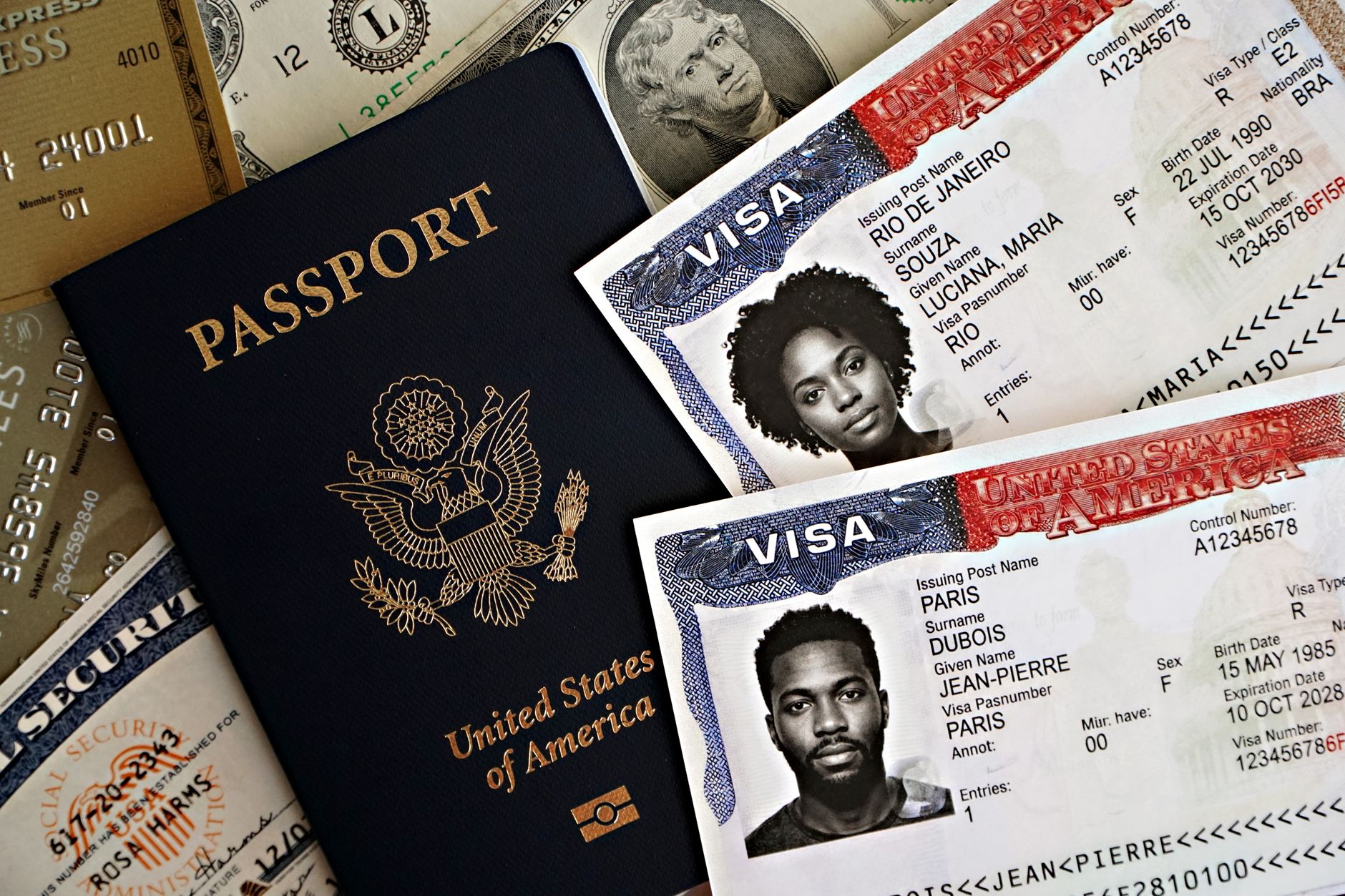
Photo by DΛVΞ GΛRCIΛ on Pexels