



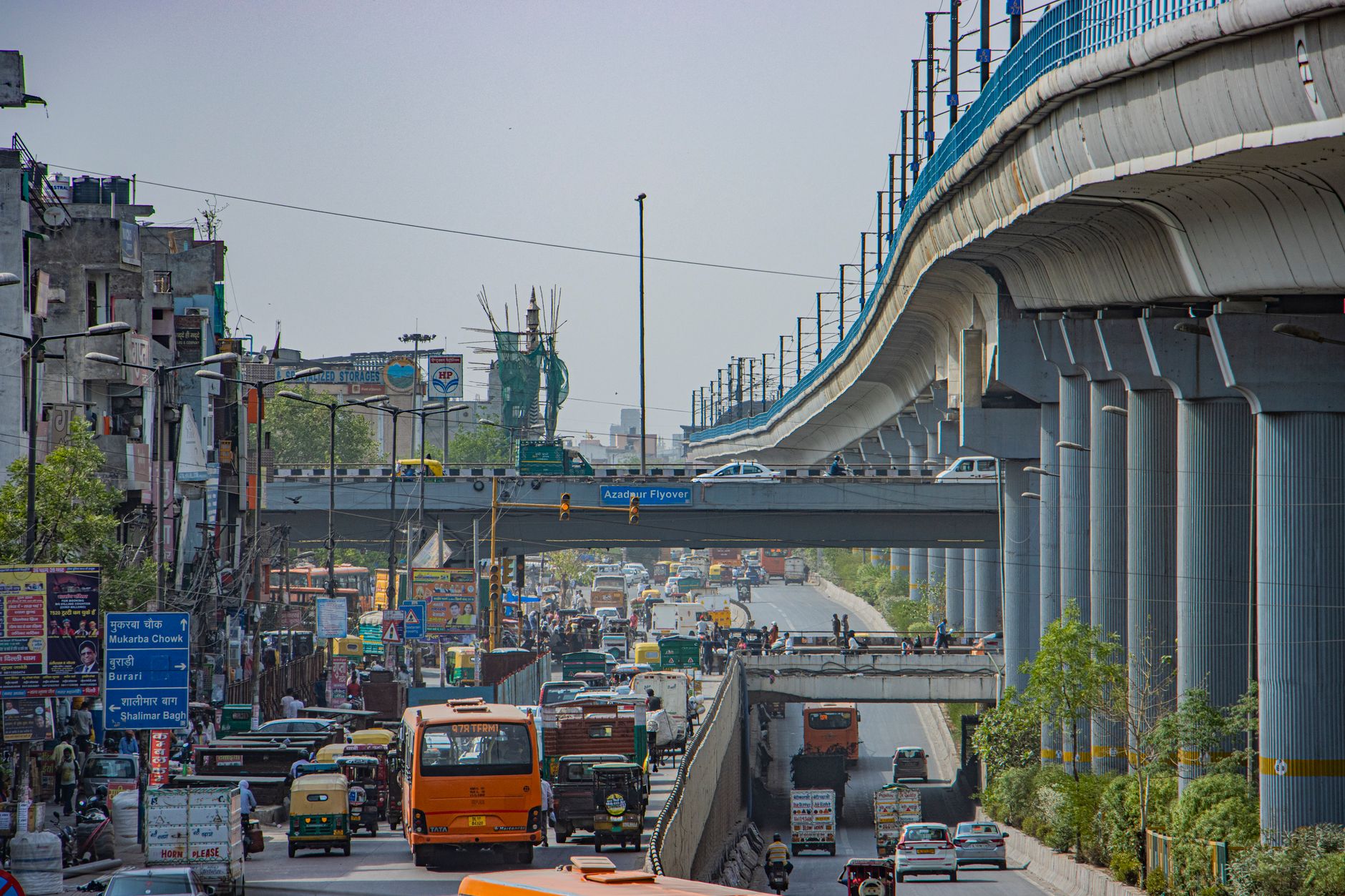
Delhi NCR metro guide is essential for anyone stuck in the region today. This article covers the open metro lines, airport connectivity, and how to navigate railway refunds.
Overview of Delhi NCR Metro
The Delhi NCR metro system is a vital mode of transportation for millions of commuters. It offers a convenient, efficient, and cost-effective way to navigate the bustling urban landscape. With multiple lines connecting key areas, the Delhi NCR metro guide serves as an essential resource for both residents and visitors.
As of now, the metro network comprises several operational lines, each featuring modern amenities and regular services. The system is designed to reduce traffic congestion and promote sustainable travel. Here are some key highlights:
- Extensive Connectivity: The metro connects major districts, making it easy to reach business hubs, shopping centers, and cultural landmarks.
- Airport Link: The Airport Express Line provides direct access to Indira Gandhi International Airport, facilitating seamless travel for air passengers.
- Timely Services: The trains run frequently, with peak hours seeing trains every few minutes, ensuring minimal waiting times.
For those navigating the sprawling metropolis, a thorough understanding of the metro system can significantly enhance the travel experience.
Current Open Metro Lines
The Delhi NCR metro system is an extensive network that provides efficient transportation across the region. Currently, several metro lines are fully operational, making it easier for commuters to navigate the city. Here are the key open metro lines:
- Blue Line (Dwarka Sector 21 to Noida City Centre/Vaishali): This line connects important areas including Dwarka, Dwarka Sector 21, and Noida, providing seamless access to the airport.
- Yellow Line (Samaypur Badli to HUDA City Centre): A vital corridor that connects North Delhi to Gurgaon, facilitating cross-border travel.
- Violet Line (Kashmere Gate to Raja Nahar Singh): This line connects East Delhi to the historical areas, making it popular among tourists.
- Red Line (Rithala to Shaheed Sthal): It serves the northern regions and connects to various key residential and commercial hubs.
Using the Delhi NCR metro guide, travelers can plan their journeys effectively, ensuring a comfortable and quick commute across the bustling metropolis.
Airport Connectivity in Delhi NCR
The Delhi NCR metro guide highlights the importance of seamless airport connectivity for travelers. The Indira Gandhi International Airport (IGI) is well-linked to the metro network, making it convenient for passengers to reach their destinations quickly.
The Airport Express Line is a vital link, connecting IGI Airport to the city center. This line runs from New Delhi Metro Station to the airport, significantly reducing travel time. The metro ride takes approximately 20 minutes, providing a hassle-free option for those looking to avoid traffic congestion.
Key features of the Airport Express Line include:
- Frequency: Trains run every 10-15 minutes.
- Comfort: Air-conditioned coaches enhance the travel experience.
- Accessibility: Easily reachable from major metro stations.
Moreover, travelers can enjoy connectivity to other metro lines, ensuring easy transfers to various parts of Delhi NCR. Utilizing the metro is not only efficient but also an economical choice for navigating the region.
In summary, the Delhi NCR metro guide emphasizes the Airport Express Line as a vital component for efficient travel to and from the airport.
How to Claim Railway Refunds
Traveling in the Delhi NCR region can sometimes lead to unforeseen circumstances, and knowing how to claim railway refunds can save you both time and money. If you find yourself in a situation where you need to request a refund, follow these steps to ensure a smooth process.
- Check Eligibility: Ensure that your ticket is eligible for a refund. Typically, e-tickets and PRS tickets can be refunded, but conditions may vary based on the type of ticket purchased.
- Gather Necessary Information: Prepare your ticket details, such as the PNR number, train number, and date of travel. This information is crucial for processing your request.
- Visit the Official Website: Navigate to the official railway website or use the mobile app where you booked your ticket. Look for the ‘Refund’ section.
- Submit Your Request: Fill out the refund form with the required details and submit it. You will receive a confirmation of your request.
By following these steps, you can efficiently manage your travel plans in the Delhi NCR metro guide and handle any unexpected changes.
Tips for Navigating Delhi’s Public Transport
Navigating Delhi’s public transport can be a breeze with the right tips. Here are some essential suggestions to enhance your travel experience in the bustling Delhi NCR metro system.
- Plan Your Route: Before starting your journey, check the Delhi NCR metro guide or use mobile apps to find the most efficient routes and connections.
- Peak Hours: Try to avoid travel during peak hours, typically from 8 AM to 10 AM and 5 PM to 8 PM, as trains can get overcrowded.
- Stay Updated: Keep an eye on metro announcements and updates regarding any service changes or delays, especially during monsoon season.
- Metro Card: Purchase a smart card for hassle-free travel. It offers a discount on fares and can be easily recharged at stations.
- Safety First: Always follow safety protocols while on the metro, such as standing behind the yellow line and keeping an eye on your belongings.
With these tips in mind, navigating the Delhi NCR metro can be both efficient and enjoyable.
Safety Measures in Metro Travel
Traveling on the Delhi NCR metro can be an efficient and safe option for commuters. To ensure a secure journey, various safety measures have been implemented throughout the metro system.
Key safety protocols include:
- Regular Sanitization: All metro trains and stations undergo frequent cleaning and sanitization to minimize health risks.
- Face Masks: Passengers are required to wear face masks while traveling, ensuring the safety of everyone on board.
- Social Distancing: Markings have been placed in stations and trains to encourage social distancing among passengers.
- Security Personnel: Trained security staff are present at all stations to assist and monitor activities, enhancing overall safety.
- Emergency Protocols: Well-defined emergency protocols are in place, including clear instructions for evacuation and assistance in case of incidents.
By adhering to these safety measures, travelers can confidently use the Delhi NCR metro guide to navigate the city while prioritizing their health and security.
Best Times to Travel on Metro
When planning your journey using the Delhi NCR metro, knowing the best times to travel can significantly enhance your experience. The Delhi NCR metro system operates efficiently, but peak hours can lead to overcrowding and delays.
Generally, the following times are ideal for metro travel:
- Weekdays: Early morning hours from 6:00 AM to 8:00 AM and late evening from 8:00 PM to 10:00 PM tend to be the busiest, as many commuters are heading to and from work.
- Mid-Morning: Traveling between 10:00 AM and 4:00 PM is often more pleasant, with fewer passengers and shorter wait times.
- Weekends: Saturdays and Sundays see varying crowd sizes, but mid-morning to early afternoon is generally less congested.
For the best experience while navigating the Delhi NCR metro, consider avoiding rush hours when possible. This not only enhances comfort but also allows for a smoother journey, making it a preferable option for travel in the area.
Alternative Transport Options in Delhi NCR
While the Delhi NCR metro is an excellent way to travel, there are several alternative transport options that can enhance your commuting experience. These options may be more suitable depending on your destination and time constraints.
- Auto Rickshaws: Widely available, auto rickshaws are a convenient way to navigate through traffic. They can easily reach areas not serviced by the metro.
- App-Based Cabs: Services like Uber and Ola provide comfortable rides and can be booked directly from your smartphone. This option is perfect for longer distances or when traveling late at night.
- Public Buses: Delhi Transport Corporation (DTC) buses cover extensive routes, including areas outside the metro network. They are a cost-effective option for budget travelers.
- Bicycles: For the environmentally conscious, renting a bicycle is a great way to explore the city at your own pace. Many areas have dedicated cycling lanes.
These alternative transport options in Delhi NCR can complement your metro journey, making it easier to explore the region. Whether you choose to hop on a bus or book a cab, consider incorporating them into your Delhi NCR metro guide.
For those looking to navigate the city efficiently, the Delhi NCR metro guide offers invaluable insights into routes and timings. Additionally, understanding the pricing structure outlined in the Delhi NCR metro guide can help travelers budget their trips effectively.
Photo by Shantum Singh on Pexels