



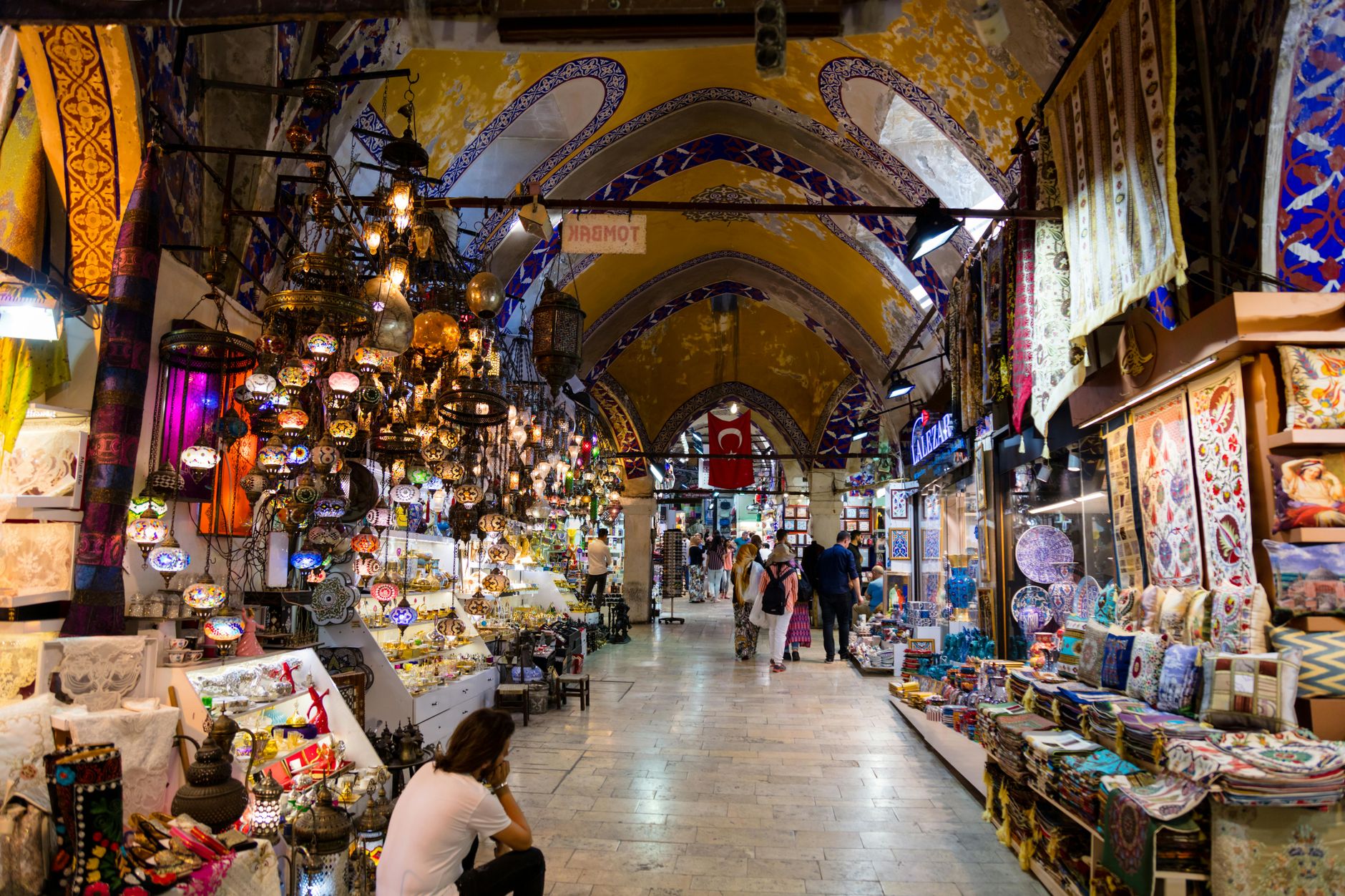
niche tourism destination is gaining attention for its immense potential as a unique travel experience. This article explores the opportunities it presents.
What is a Niche Tourism Destination?
A niche tourism destination is a specific location that caters to a distinct group of travelers seeking unique experiences. Unlike mainstream tourist spots that attract large crowds, these destinations focus on specialized interests, making them appealing to a targeted audience.
Characteristics of a niche tourism destination include:
- Specialized Offerings: These locations often provide activities or experiences that are not widely available elsewhere, such as eco-tourism, culinary experiences, or cultural immersions.
- Authenticity: Travelers are drawn to the genuine and local aspects of the destination, allowing for deeper connections with the culture and community.
- Smaller Scale: The charm of niche destinations often lies in their ability to offer a more personalized experience, away from the hustle and bustle of larger tourist areas.
- Community Involvement: Local businesses and residents typically play a crucial role in promoting and developing the destination, ensuring that tourism benefits the community.
By focusing on these elements, a niche tourism destination can attract travelers looking for meaningful experiences, ultimately leading to sustainable growth and cultural preservation.
Exploring Unique Attractions
As travelers increasingly seek distinct experiences, the potential for a niche tourism destination grows. Exploring unique attractions is crucial for attracting visitors who are looking for something beyond the typical tourist fare. Here are some strategies to enhance the appeal of such destinations:
- Highlight local culture: Emphasizing the traditions, crafts, and culinary delights of the area can create a rich tapestry that draws curious travelers.
- Develop themed tours: Curating experiences around specific interests, such as historical tours, eco-adventures, or art trails, can cater to diverse audiences.
- Collaborate with local businesses: Partnering with artisans, restaurants, and hotels to offer packages or experiences can create a more immersive experience for visitors.
- Utilize social media marketing: Sharing stunning visuals and engaging stories online can attract attention and invite potential tourists to explore.
- Encourage sustainable tourism: Promoting eco-friendly practices can appeal to environmentally conscious travelers and enhance the destination’s reputation.
By implementing these strategies, a niche tourism destination can not only thrive but also create memorable experiences that keep visitors coming back.
Niche Tourism Destination: Key Benefits
Niche tourism destinations offer a variety of key benefits that can enhance both visitor experiences and local economies. These unique places often cater to specific interests, attracting travelers who are passionate about particular themes or activities.
- Targeted Audience: By focusing on niche markets, destinations can attract a dedicated group of travelers who are more likely to engage deeply with the local culture and attractions.
- Economic Growth: Increased tourism can lead to job creation and investment in local businesses, benefiting the community as a whole.
- Preservation of Culture: Niche tourism can promote the preservation of local traditions and heritage, as visitors often seek authentic experiences.
- Less Crowding: Unlike mainstream tourist spots, niche destinations often experience lower visitor numbers, allowing for a more personalized experience.
- Environmental Sustainability: Many niche tourism activities promote eco-friendly practices, encouraging responsible travel and conservation of natural resources.
In summary, embracing the concept of niche tourism destinations can lead to sustainable growth and a more enriched travel experience for visitors.
How to Market a Niche Destination
Marketing a niche tourism destination requires a tailored approach that highlights its unique offerings. Here are some effective strategies to consider:
- Identify Target Audiences: Understand who is most likely to visit your destination. This could include adventure seekers, cultural enthusiasts, or eco-tourists.
- Leverage Social Media: Use platforms like Instagram, Facebook, and Pinterest to showcase stunning visuals and stories that resonate with potential visitors.
- Collaborate with Influencers: Partner with travel bloggers and influencers who specialize in niche markets to reach a larger audience effectively.
- Create Engaging Content: Develop blogs, videos, and podcasts that tell the story of your destination, emphasizing its unique features and attractions.
- Host Events and Workshops: Organize events that align with the interests of your target audience, drawing them to experience your destination firsthand.
By implementing these strategies, you can effectively market your niche tourism destination and attract visitors looking for memorable experiences that go beyond the ordinary.
Cultural Experiences in Niche Tourism
Cultural experiences play a pivotal role in enhancing the appeal of a niche tourism destination. These experiences not only attract visitors but also create lasting memories that encourage repeat visits. Travelers are increasingly seeking authentic interactions that provide a deeper understanding of local customs and traditions.
To effectively capitalize on this trend, destinations should consider the following strategies:
- Local Workshops: Organizing workshops that showcase traditional crafts, cooking classes, or art can immerse visitors in the local culture.
- Cultural Festivals: Hosting annual festivals celebrating unique aspects of local heritage can draw attention and engage tourists.
- Guided Tours: Offering guided tours led by local experts allows tourists to explore hidden gems and learn about the destination’s history.
- Community Involvement: Encouraging local residents to share their stories and experiences fosters a connection between tourists and the community.
- Sustainable Practices: Promoting eco-friendly initiatives and showcasing local flora and fauna can enhance the cultural experience while preserving the environment.
By focusing on cultural experiences, a niche tourism destination can differentiate itself and foster genuine connections between visitors and the local community.
Challenges in Niche Tourism Development
Developing a niche tourism destination comes with its own set of challenges that stakeholders must navigate to ensure sustainable growth. Some of the prominent obstacles include:
- Limited Awareness: Many potential tourists may not be familiar with the unique offerings of a niche tourism destination, making it essential to implement effective marketing strategies.
- Infrastructure Development: Niche destinations often lack the necessary infrastructure, such as accommodations and transport services, which can hinder accessibility for visitors.
- Seasonality: Fluctuating tourist seasons can lead to inconsistent revenue streams, requiring destinations to find ways to attract visitors year-round.
- Community Engagement: It is crucial to involve local communities in the development process to ensure their needs and perspectives are considered, fostering a sense of ownership and pride.
- Sustainability Concerns: Balancing tourism growth with environmental preservation is vital, as increased foot traffic can lead to degradation of unique natural or cultural assets.
Addressing these challenges effectively can pave the way for a successful niche tourism destination, enhancing its appeal and long-term viability.
Success Stories from Niche Destinations
Several niche tourism destinations have successfully carved out unique identities, attracting visitors from around the globe. These success stories serve as valuable examples of how targeted strategies can lead to growth and sustainability.
One remarkable case is the small town of Salento in Colombia, which has become a hub for coffee tourism. Visitors are drawn to the region’s lush coffee farms, where they can engage in immersive experiences such as coffee tasting and plantation tours. This focus on agricultural tourism has significantly boosted the local economy and promoted cultural exchange.
Another success story is Slovenia, which has embraced eco-tourism as a niche tourism destination. With its pristine lakes and mountains, Slovenia offers visitors activities like hiking, cycling, and kayaking, all while emphasizing sustainability and conservation. This commitment has led to an increase in eco-conscious travelers.
- Salento, Colombia: Coffee tourism and cultural immersion
- Slovenia: Eco-tourism with a focus on sustainability
These destinations illustrate that by leveraging unique attributes and focusing on specific themes, niche tourism destinations can thrive and attract dedicated visitors.
Future Trends in Niche Tourism
The future of niche tourism destinations looks promising as travelers increasingly seek unique and immersive experiences. As the tourism industry continues to evolve, several trends are emerging that could significantly impact the growth of niche tourism.
- Personalization: Tourists are looking for customized experiences that cater to their interests. Niche destinations can thrive by offering tailored packages that resonate with specific traveler preferences.
- Sustainability: Eco-conscious travelers are prioritizing destinations that promote sustainable practices. Niche tourism can leverage this trend by highlighting local conservation efforts and responsible tourism initiatives.
- Technology Integration: The use of technology, such as virtual reality and mobile apps, can enhance visitor engagement. Niche tourism destinations can utilize these tools to provide rich storytelling and interactive experiences.
- Health and Wellness: There is a growing demand for wellness retreats and health-focused travel. Niche destinations can cater to this market by offering wellness programs that include yoga, meditation, and holistic therapies.
In conclusion, by embracing these future trends, niche tourism destinations can enhance their appeal and attract a diverse range of visitors, ultimately driving growth within this specialized sector.
Photo by Tayssir Kadamany on Pexels