


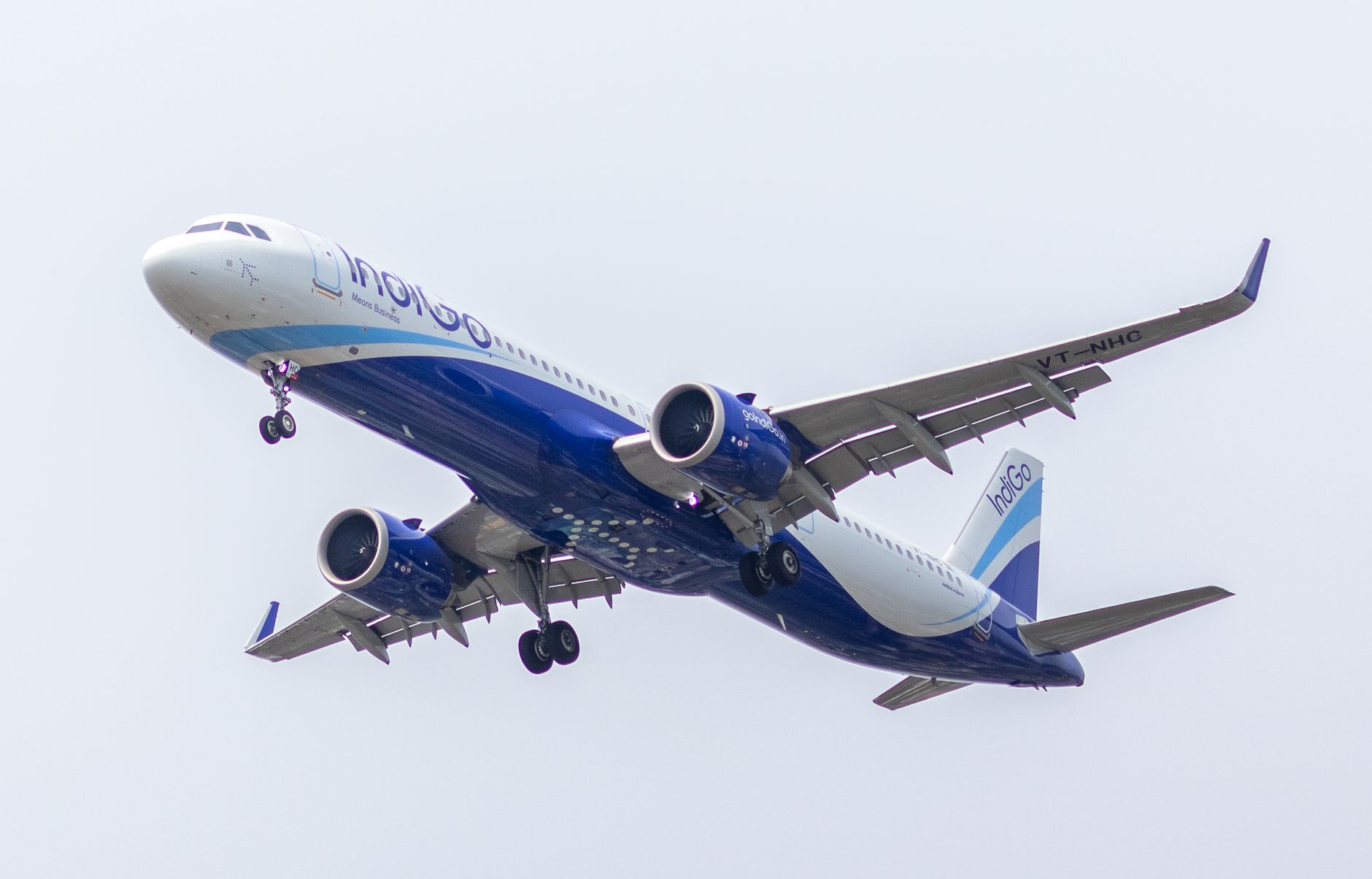
IndiGo flight safety is a top concern after a recent incident where lightning hit a Lucknow-bound flight at FL170. Travelers are seeking reassurance and information on how to stay safe during flights.
Understanding Flight Safety Protocols
Ensuring the safety of passengers is a top priority for airlines, and understanding flight safety protocols is essential for travelers. IndiGo flight safety measures are designed to protect passengers during various situations, including adverse weather conditions.
In light of recent events, such as a lightning strike on a Lucknow-bound IndiGo flight at FL170, awareness of safety protocols becomes even more critical. Here are some key aspects of flight safety that travelers should keep in mind:
- Pre-flight Briefing: Pay attention to the safety demonstrations provided by the cabin crew. These briefings cover essential information, including emergency exits and the use of seatbelts.
- Seatbelt Usage: Always wear your seatbelt when seated, even if the seatbelt sign is off. Turbulence can occur unexpectedly.
- Emergency Procedures: Familiarize yourself with the emergency procedures outlined in the safety card located in the seat pocket. Knowing how to react in emergencies can save lives.
- Stay Calm: In the event of turbulence or other disturbances, remain calm and follow the flight crew’s instructions. They are trained to handle such situations.
By understanding these protocols, passengers can contribute to a safer flying experience and enhance IndiGo flight safety during their travels.
What to Do During Turbulence
Turbulence is a common occurrence during flights, and knowing how to respond can enhance your overall experience and contribute to IndiGo flight safety. Here are some essential tips to consider when you encounter turbulence:
- Stay Calm: It’s normal to feel anxious, but remember that pilots and crew are trained to handle turbulence. Take deep breaths and remain composed.
- Stay Seated: Always remain in your seat with your seatbelt fastened when the seatbelt sign is illuminated. This simple action can prevent injuries.
- Listen to the Crew: Pay attention to announcements from the flight attendants and follow their instructions. They are trained to ensure your safety.
- Avoid Moving Around: If turbulence occurs, avoid unnecessary movements. Wait until the plane stabilizes before getting up.
- Use Personal Items Wisely: Store items securely and avoid placing heavy bags in the overhead bins during turbulent conditions to prevent them from falling.
By following these guidelines, you can contribute to a safer travel experience and help maintain IndiGo flight safety. Always remember that turbulence, while uncomfortable, is rarely dangerous.
Recent Incidents in Aviation
Recent incidents in aviation have highlighted the importance of flight safety, particularly regarding the challenges posed by unpredictable weather conditions. A notable event occurred when a Lucknow-bound IndiGo flight encountered lightning at an altitude of 17,000 feet. Such incidents serve as reminders of the critical safety measures in place to protect passengers and crew.
In the case of the IndiGo flight, the aircraft’s robust design and thorough safety protocols ensured that the situation was managed effectively, allowing for a safe continuation of the journey. Passengers on board reported that the crew remained calm and followed standard operating procedures, reinforcing the significance of proper training in managing emergencies.
To enhance your understanding of aviation safety, consider the following tips:
- Stay informed: Keep up with news regarding flight safety and any recent incidents.
- Understand safety features: Familiarize yourself with the safety equipment on board your flight.
- Listen to crew instructions: Always pay attention to the pre-flight safety briefing and follow crew guidance during the flight.
- Stay calm: In stressful situations, remaining composed can help you respond appropriately.
By recognizing the importance of these practices, travelers can contribute to a safer flying experience.
Tips for Safe Air Travel
When it comes to ensuring a safe journey, being aware of a few key tips can enhance your travel experience on an IndiGo flight. Here are some recommendations for safe air travel:
- Stay Informed: Before your flight, check for any updates or safety advisories related to your IndiGo flight. This includes weather conditions and potential delays.
- Follow Crew Instructions: Always listen to the flight attendants and follow their instructions during safety briefings. They are trained to handle emergencies and keep passengers safe.
- Fasten Your Seatbelt: Keep your seatbelt fastened at all times while seated, even when the seatbelt sign is off. This precaution helps protect you during unexpected turbulence.
- Know Your Exits: Familiarize yourself with the emergency exits in your cabin. In the event of an emergency, knowing the quickest route out can save valuable time.
- Stay Calm: If you experience turbulence or other unsettling events, remain calm. Trust in the aircraft’s design and the crew’s expertise in ensuring your safety.
By following these essential tips for safe air travel, you can enhance your comfort and peace of mind when flying with IndiGo.
How Weather Affects Flights
Weather plays a crucial role in determining the safety and efficiency of air travel. For IndiGo flight safety, understanding how different weather conditions can impact a flight is essential. Pilots and air traffic controllers continuously monitor weather patterns to make informed decisions, ensuring passengers’ safety.
One of the most significant weather-related challenges is thunderstorms, which can produce severe turbulence, lightning, and wind shear. When flying through or near a thunderstorm, pilots may alter their flight path to avoid the most dangerous areas. Additionally, heavy rain can reduce visibility, complicating landing and takeoff procedures.
Fog is another weather condition that can affect flights. It can cause delays and diversions, as low visibility may prevent safe landings. Snow and ice can also create hazardous conditions at airports, leading to potential safety risks for both takeoff and landing.
Key weather factors that affect flight safety include:
- Thunderstorms – Can cause turbulence and lightning strikes.
- Fog – Reduces visibility, complicating landing procedures.
- Heavy Rain – Affects visibility and runway conditions.
- Snow and Ice – Create hazardous conditions at airports.
Understanding these factors contributes to enhancing IndiGo flight safety and ensuring a smoother travel experience for passengers.
Passenger Rights During Delays
In the event of delays, it is essential for passengers to understand their rights to ensure a smoother travel experience. IndiGo flight safety extends beyond the time spent in the air and includes the rights that passengers have when their travel plans are disrupted.
Here are some key points regarding passenger rights during delays:
- Right to Information: Airlines are obligated to keep passengers informed about the status of their flights, especially during delays. You should receive updates regarding the situation and the estimated departure time.
- Right to Compensation: In cases of significant delays, passengers may be entitled to compensation, depending on the cause of the delay and airline policies. It’s important to check the specific guidelines of IndiGo regarding flight safety and compensation.
- Right to Assistance: If your flight is delayed for an extended period, you may be entitled to meals, refreshments, and accommodation, depending on the delay’s length and the airline’s policies.
- Right to Refund: Passengers can request a refund for their ticket if the delay is substantial and they choose not to travel.
Staying informed and knowing your rights can greatly enhance your travel experience and ensure that your IndiGo flight safety is prioritized during unforeseen circumstances.
IndiGo’s Safety Measures Explained
IndiGo, as one of India’s leading airlines, takes flight safety seriously, implementing numerous measures to ensure a secure travel experience for its passengers. The airline adheres to strict international safety standards, regularly updating its protocols to address emerging challenges in the aviation industry.
One of the key components of IndiGo’s safety measures is its rigorous maintenance program. The airline conducts regular inspections and routine checks of its aircraft to ensure they are in optimal condition. This proactive approach helps mitigate potential risks and enhances overall flight safety.
In addition to maintenance, IndiGo prioritizes comprehensive training for its crew members. Pilots and cabin crew undergo extensive training sessions, including emergency preparedness drills and simulations of various in-flight situations. This training equips them to handle unexpected events, ensuring the safety of all passengers on board.
Passengers can also contribute to IndiGo flight safety by following safety instructions provided by the crew. Familiarizing themselves with safety cards and understanding the operation of emergency exits are crucial steps every traveler should take.
Overall, IndiGo’s commitment to safety, combined with passenger cooperation, creates a secure environment for all travelers, enhancing the flying experience across its network.
Future of Flight Safety Standards
The future of flight safety standards is an evolving landscape, particularly for airlines like IndiGo, which prioritizes passenger safety. As technology advances, so do the measures put in place to ensure a safer flying experience. The integration of artificial intelligence and machine learning into aircraft systems is set to revolutionize how safety protocols are managed.
In the wake of incidents such as the recent lightning strike on a Lucknow-bound IndiGo flight at FL170, the aviation industry is placing greater emphasis on real-time monitoring and predictive analytics. This allows airlines to anticipate and mitigate potential hazards before they escalate into serious issues.
Moreover, regulatory bodies are continuously revising safety standards to incorporate new findings and technologies. Here are some key trends that are shaping the future of flight safety:
- Enhanced Training Programs: Pilots and crew are receiving more rigorous training in emergency protocols and situational awareness.
- Advanced Weather Tracking: Real-time weather data is becoming more sophisticated, helping pilots navigate challenging conditions effectively.
- Passenger Engagement: Airlines are encouraging passengers to be proactive about safety by providing more information on safety measures.
With these advancements, the future of IndiGo flight safety looks promising, aiming to ensure a secure travel experience for all passengers.
When considering your travel plans, it’s essential to prioritize IndiGo flight safety by following all recommended guidelines. Additionally, staying informed about the latest protocols can enhance your overall IndiGo flight safety experience.
Photo by Ethan Sarkar on Pexels
Where this came from
Pancake Place reopening: A Quick and Exciting Return! · Is the Aviation Tourism Budget Worth the Investment? · Visa-Free Travel Tajikistan Iran: Easy and Proven Benefits